| |
|
|
Rooted in Africa. Rising through Evidence.
An edition featuring Young and Emerging Evaluators who are strengthening
African evaluation practice through national VOPEs, Made in Africa Evaluation,
digital tools, mentorship, and the use of evidence for policy and community
change. |
|
12 Countries
Anglophone + Francophone
|
|
2 Languages
English + Français
|
|
7 Core Sections
Stories, tools, mentorship
|
|
|
|
|
|
Executive
Message: A Community Finds Its Voice
|
|
Dear colleagues and friends,
The launch of The YEE Hub is more than
the beginning of a newsletter. It is the visible voice of a growing continental
movement of Young and Emerging Evaluators who are learning, leading,
questioning, and contributing to evaluation practice across Africa.
This curated edition presents those efforts
through real stories: health systems in Nigeria, climate and enterprise in
Kenya, outreach in Cameroon, chapter formation in Tanzania, evidence use in
Mali and Senegal, digital innovation in Côte d’Ivoire, and ecosystem-building
in Mauritania, Uganda, Benin, and Chad.
YEEs present contributors to Africa’s evidence
ecosystem, strengthening the bridge between community realities, programme
learning, policy decisions, and professional evaluation standards.
This edition is also a strategic product. It
speaks to AfrEA’s commitment to strengthening VOPEs, professionalising
evaluation, promoting youth and women, advancing Made in Africa Evaluation, and
supporting the use of evidence for African priorities. It also reflects the
Mastercard Foundation’s investment in young people as drivers of dignified
work, leadership, skills, and institutional transformation.
As we read these stories, let us see beyond
individual achievement. Let us see a continental infrastructure of youth
leadership taking shape, one chapter, one tool, one field lesson, and one
evaluation story at a time. |
|
|
|
In solidarity, Baraka Mfilinge | Madeleine BROU Co-Leads & Editors, AfrEA Young & Emerging Evaluators |
|
|
|
|
|
The YEE Hub is designed as a practical
knowledge and visibility platform for Young and Emerging Evaluators, national
VOPE youth wings, M&E students and senior mentors across Africa. Its
purpose is to connect the field, the classroom, the chapter, and the profession
into one shared learning space.
This edition has been curated to show how YEEs
initiatives are already contributing to the strategic priorities of AfrEA and
the youth-centred ambitions supported through the Mastercard Foundation. Rather
than presenting isolated profiles, the newsletter tells a connected story of
youth leadership in African evaluation.
|
|
AfrEA Strategic Priority
·
Strengthening VOPEs and member
networks
·
Professionalising evaluation
practice
·
Promoting youth and women in
evaluation
·
Advancing Made in Africa
Evaluation
|
|
How YEE stories show progress
·
YEE chapters are formalising
structures, organising peer learning and building country-level visibility.
·
YEEs are asking practical
mentorship questions, using tools, and building credible career pathways.
|
|
Illustrative countries
Tanzania, Kenya, Mali, Cameroon, Chad, Uganda, Benin
|
|
|
|
|
|
Across the Continent: A Spotlight on
YEE VOPEs |
|
|
|
Stories in
Action: Building Evaluation Communities
Tanzania:
From Interest to Institution
|
|
In Tanzania, the YEE story is moving from individual enthusiasm to institutional formation. Through the Tanzania Evaluation Association YEE Chapter, emerging evaluators are working to create a formal structure that can support membership engagement, mentorship, practical training and meaningful participation in national evaluation spaces. This effort matters because many young |
|
|
|
evaluators begin with interest but lack a clear professional home. A national
YEE chapter can become that home: a place to learn, connect with senior
evaluators, access opportunities and participate in national conversations such
as Tanzania MEL Week. The Tanzanian experience shows how AfrEA’s strategic
commitment to youth and VOPE strengthening can become visible at country level.
Anna Peter’s journey adds a human face
to this chapter-building story. After years in marketing, she deliberately
restarted her professional pathway in monitoring and evaluation, particularly
in health interventions. Her message to fellow YEEs is direct: young evaluators
must take charge of their careers, join national VOPE networks, seek spaces of
visibility and build credibility through participation.
The Tanzanian story is therefore not
only about one young evaluator. It is about the architecture of belonging that
young evaluators need if they are to grow from interested individuals into
recognised professionals.
|
|
|
|
Cameroon:
Turning Field Setbacks into Evaluation Pathways
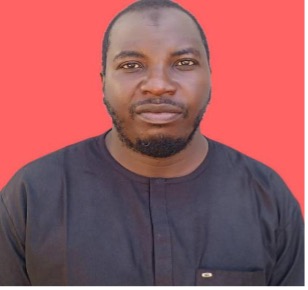
Chakounte
Seugang Boris | Cameroon
|
|
In Cameroon, the CamSEE YEE experience
shows how evaluation pathways can begin from very practical field realities.
Chakounte Seugang Boris worked for years managing poultry cycles in Douala and
a maize partnership in Bangangté. Operational records helped him track activity, but they did not fully explain why some
|
|
|
|
efforts succeeded while others struggled under climate and economic shocks. That search for a stronger learning
compass drew him toward evaluation. With a background in computer science and
current studies in evaluation and project analysis, Boris represents a new type
of emerging evaluator: technically curious, field-grounded, and committed to
turning real operational challenges into structured evidence and learning.
As CamSEE’s YEE Outreach Coordinator,
his story connects personal transition with institutional outreach. Cameroon’s
YEE work is helping young people see evaluation not as an abstract profession,
but as a practical discipline for understanding change, improving programmes
and making better decisions.
|
|
|
|
Stories in
Action: Policy, Peacebuilding and National Systems
Mali:
Evidence Leadership in Fragile and Complex Contexts
|
|
In Mali, Madou Sidibé’s work shows how young evaluators contribute in fragile, resource-constrained and culturally complex contexts. As a doctoral researcher in agricultural economics, impact evaluation specialist and Country Representative of YEEs-Mali, he works across climate-resilient agriculture, food security, social cohesion and evidence-based policymaking. His contribution to the final evaluation of the JISRA programme involved focus group |
|
|
|
discussions and key
informant interviews on social cohesion and conflict prevention. He also
supported large household surveys linked to crop diversification. These experiences
show that rigorous evaluation in African contexts often requires more than
technical tools. It requires language sensitivity, trust, contextual judgement
and respect for local realities.
The Mali YEE chapter is also building
collective infrastructure through webinars, youth mobilisation, links with
national statistics actors, academic institutions and the Eval4Action campaign.
Its work shows that YEEs can help strengthen the link between evidence
producers, public institutions and policy conversations.
|
|
|
|
Senegal:
Youth Entering National Evaluation Conversations
|
|
In Senegal, Mamina Aïdara’s engagement during Glocal Evaluation Week 2026 demonstrates how young evaluators can participate in national evaluation systems and policy-relevant dialogue. His presentation on the Programme National de Bourses de Sécurité Familiale connected evaluation to social protection, poverty reduction, education and health access for vulnerable households. |
|
|
|
The Café de l’évaluation N°2,
organised in collaboration with the Club Évaluation d’Impact at FASEG, UCAD,
created space for experts, academics, professionals, students and young
evaluators to discuss the role of youth in national evaluation systems. This is
exactly the type of bridge AfrEA YEEs can help build: between universities,
practitioners, government-facing systems and the next generation of evaluators.
Senegal’s story reminds us that youth
participation is not only about attending events. It is about entering spaces
where evidence, policy and institutional practice are discussed and
contributing with confidence.
|
|
|
|
Stories in
Action: Evidence for Systems and Livelihoods
Nigeria:
Beyond Reporting, Toward Local Data Use
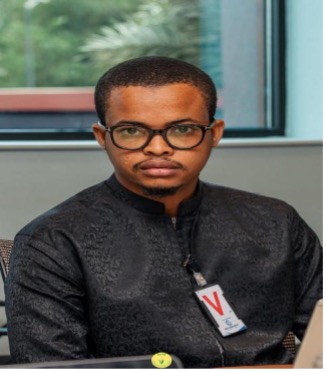
Rabiu
Abdulwahab | Nigeria
|
|
In Bauchi State, Nigeria, Rabiu Abdulwahab is working at the point where health data meets real service delivery. As an M&E Officer and Health System Strengthening Advisor, his experience with DHIS2 and other health information systems shows what happens when monitoring and evaluation is treated not only as reporting, but as a management and learning function. |
|
|
|
Rabiu’s practice challenges a common
problem in many settings: data is collected, reported upward and discussed in
meetings, yet frontline workers may not always use it to improve local
decisions. His approach is practical. Simplify dashboards. Focus on indicators
that facility teams understand. End data review meetings with two or three
actions. Track whether those actions are implemented in the next cycle.
This story strongly reflects AfrEA’s
priority on evidence use. It also demonstrates the kind of applied technical
skill that young evaluators need in order to contribute to health systems,
accountability and service improvement. The Nigerian example reminds YEEs that
the power of data is not in the dashboard alone. It is in the decision that
follows.
|
|
|
|
Kenya:
Measuring Green Livelihoods and Youth Enterprise
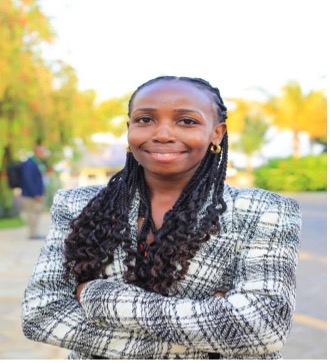
Faith
Akinyi Ouma | Kenya
|
|
Faith Akinyi Ouma’s work in Kenya brings evaluation into the world of climate resilience, circular economy and youth entrepreneurship. As Founder and CEO of Techtaka Solutions, she works with organic waste transformation, vermicompost, sustainable agriculture, community composting hubs and inclusive |
|
|
|
opportunities for youth, women and persons with disabilities. Her story is important because it
expands the imagination of where evaluation belongs. Evaluation is not only for
NGO projects, government programmes or donor reports. It is also useful for
entrepreneurs who want to understand whether their solutions are creating
social, environmental and economic value.
By applying results-based monitoring
to a sustainability enterprise, Faith demonstrates how young evaluators can
serve Africa’s wider development priorities: climate action, livelihoods,
inclusion, agriculture and dignified work. Her story speaks directly to young
people building solutions and needing evidence to prove, improve and scale
impact.
|
|
|
|
Stories in
Action: Digital Innovation and Emerging Ecosystems
Côte
d’Ivoire : When AI Meets Local MethodsOngondza Archide Saxchristus | Côte d’Ivoire |
|
Ongondza Archide Saxchristus brings a Francophone innovation story that speaks to the future of evaluation. Working with youth protection programmes and civil society organisations, he has applied digital tools such as KoboCollect to improve field data collection, reduce delays and strengthen data reliability. His frontier message is balanced: digital tools and artificial intelligence can improve speed |
|
|
|
reliability, dashboards and decision-making, but they must not replace local knowledge. In
Côte d’Ivoire and similar contexts, the challenge is to improve data quality
while remaining anchored in community realities, local languages, participatory
dialogue and indigenous knowledge.
This is one of the clearest examples
of the direction African YEEs can lead: a hybrid evaluation practice that
combines technology with contextual intelligence. The future evaluator will
need to understand data systems, ethics, participation, AI risks, and community
accountability all at once.
|
|
|
|
Chad:
Pan-African Mobility and Emerging Analytical TalentDinar Ibrahim Ahmat | Chad |
|
Dinar Ibrahim Ahmat, originally from Chad and studying in Rwanda, represents the mobility and ambition of a generation crossing borders to build analytical and research skills. His use of STATA, finance research and student leadership shows how evaluation pathways can begin from adjacent disciplines such as economics, finance, public policy and data analysis. |
|
|
|
His story reminds young professionals
that one does not need to begin with the title “evaluator” to contribute to
evaluation. Curiosity, evidence-based thinking, analytical discipline, and commitment to African development can serve as strong foundations for an evaluation career. |
|
|
|
YEE YOPEs Wins & Activities |
|
|
|
AfrEA YEEs-RDC Launches Its National Directory of Young and Emerging Evaluators |
|
|
|
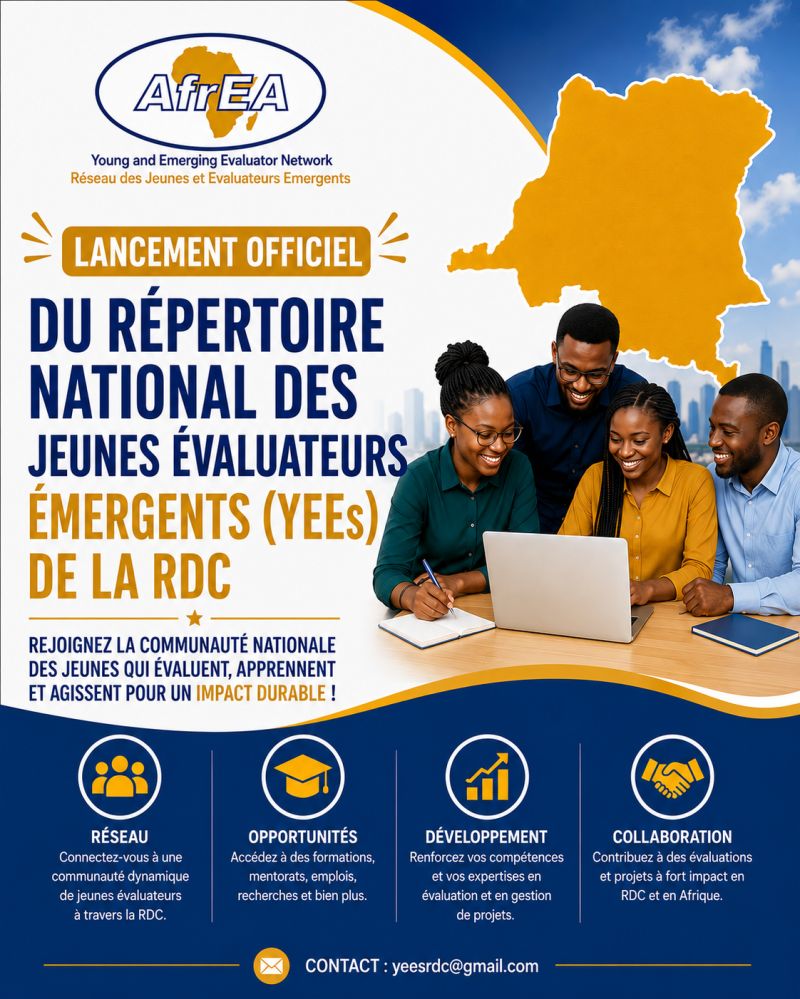
AfrEA is pleased to share that AfrEA YEEs-RDC has launched its National Directory of Young and Emerging Evaluators in the Democratic Republic of Congo.
The directory is open to students, young professionals, researchers, and anyone passionate about evaluation, research, project management, or public policy. It aims to build a clearer picture of the profiles and skills of young people across the DRC, and to facilitate their access to training, webinars, professional opportunities, mentoring, and collaboration.
Registration takes only a few minutes and is open now via the official link.
Register here
Together, let us build a strong community of young talent and a generation of evaluators for the Africa of tomorrow. Read More |
|
|
|
Five Members of YEEs Burkina Faso Strengthen Their Skills in Economic Evaluation of Public Policies |
|
|
|
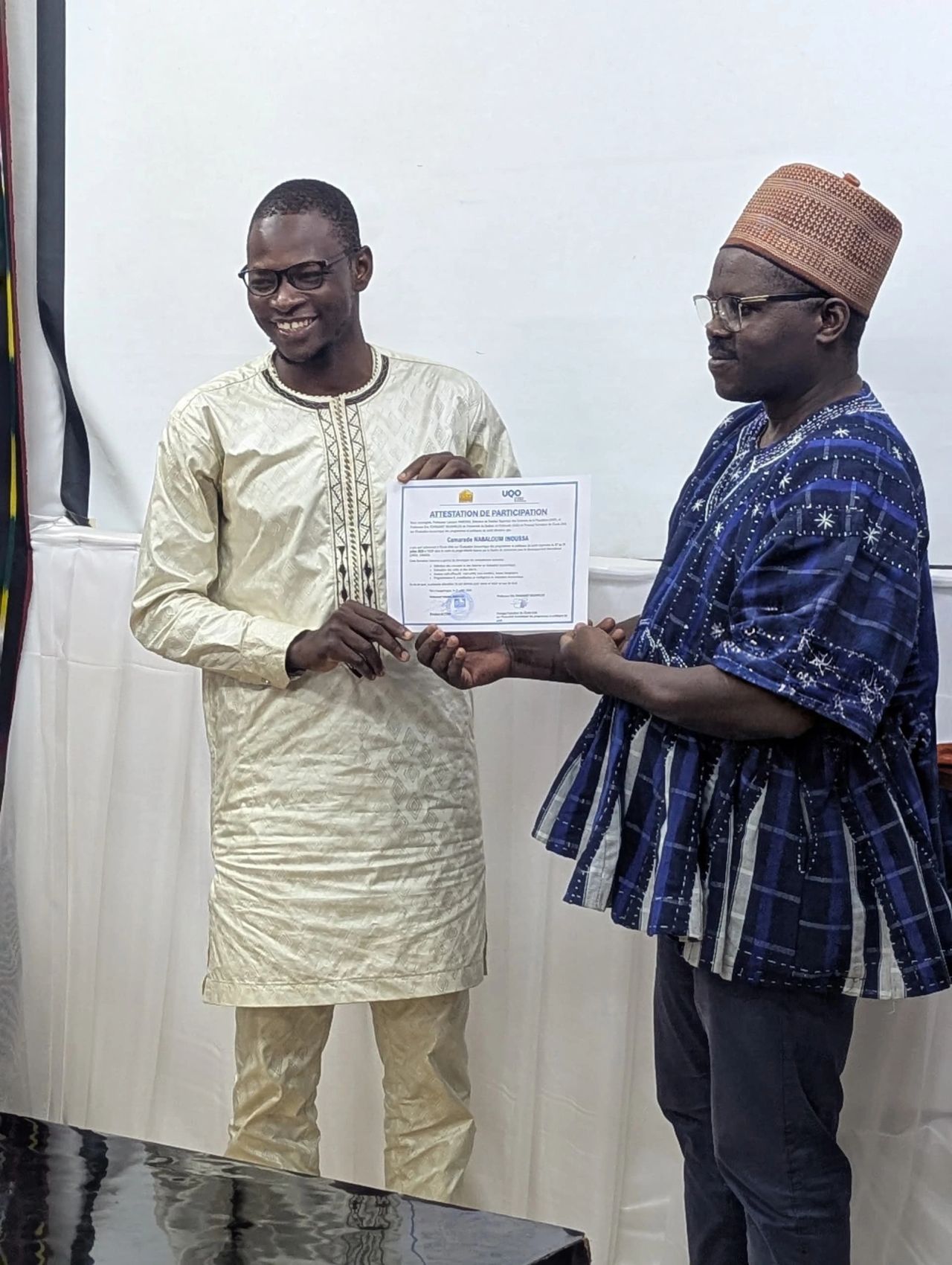
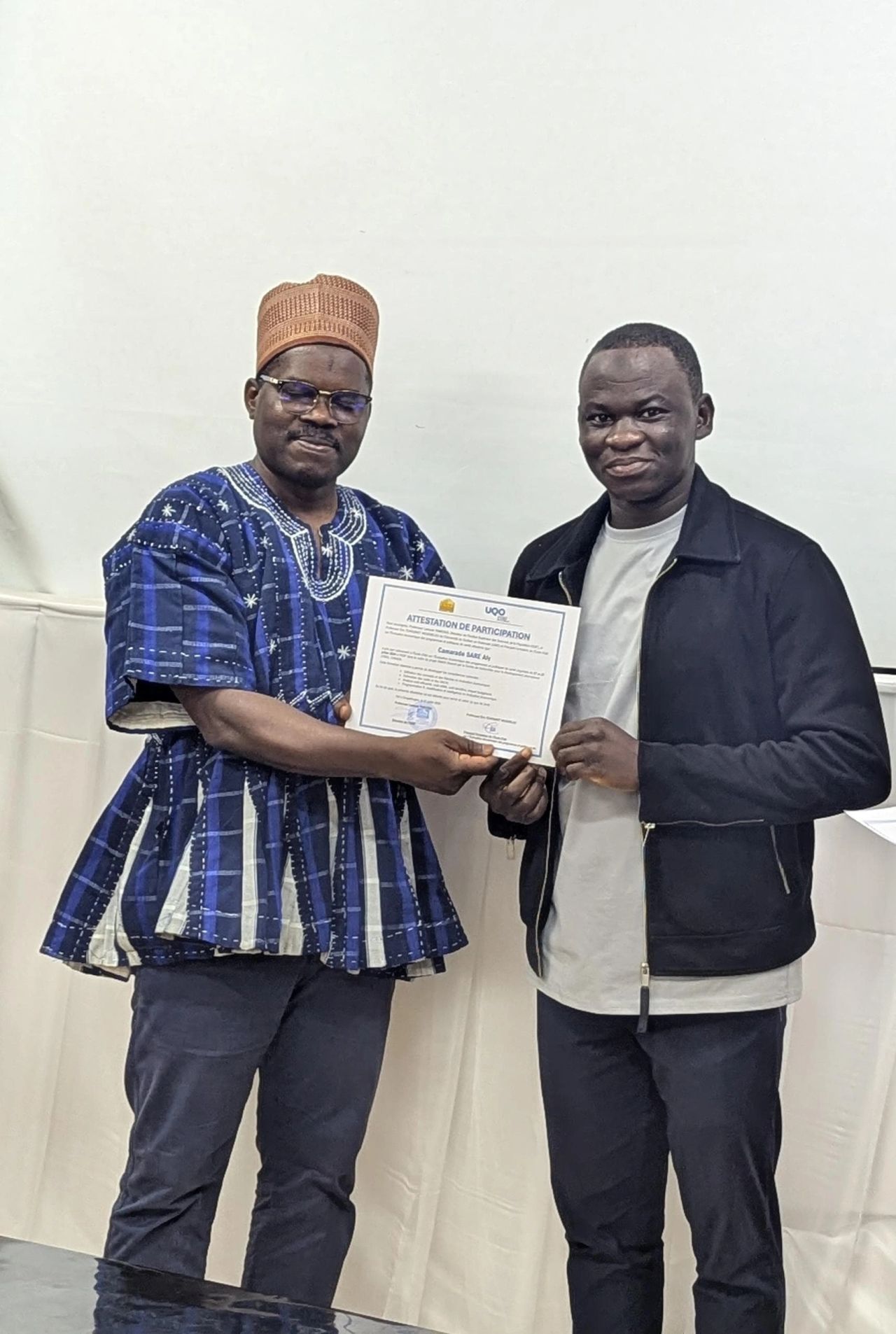
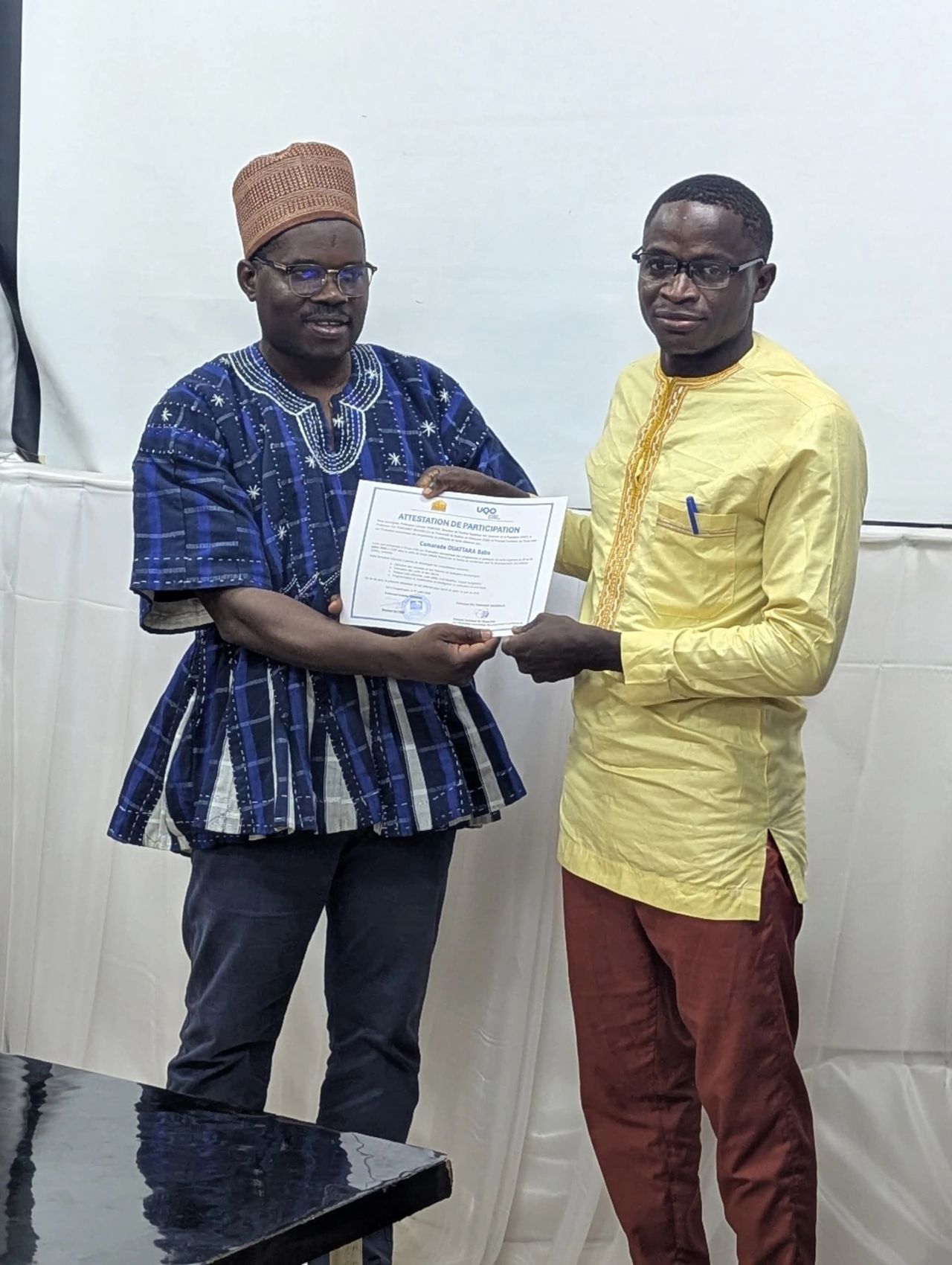
AfrEA is proud to share that five members of the Young and Emerging Evaluators Burkina Faso (YEEs Burkina), AfrEA's country network, were selected following a competitive call for applications to take part in a Summer School on the Economic Evaluation of Health Programmes and Policies, organised jointly by the Institut Supérieur des Sciences de la Population (ISSP) and the Université du Québec en Outaouais (UQO), held from 27 to 31 July 2026 in Ouagadougou.
The participants were:
Aly Saré, Country Representative, YEEs Burkina Faso Alexis Richard Zongo, Training Manager Baba Ouattara, Deputy Training Manager Inoussa Nabaloum, Member, YEEs Burkina Faso Mohamed Bokoum, Member, YEEs Burkina Faso
During this intensive training, participants strengthened their skills across several key areas of economic evaluation, including the concepts and theories underpinning economic evaluation, the estimation of costs and Quality-Adjusted Life Years (QALYs), cost-effectiveness, cost-utility, and cost-benefit analyses, budget impact analysis, and programming in R, alongside modelling and analytical approaches in economic evaluation.
This initiative reflects YEEs Burkina Faso's broader vision of nurturing a new generation of evaluators equipped to produce rigorous, evidence-based evaluations that inform decision-making and strengthen the performance of public programmes and policies.
AfrEA extends its sincere thanks to the Institut Supérieur des Sciences de la Population (ISSP), the Université du Québec en Outaouais (UQO), Professor Eric Tchouaket, PhD, and his team, as well as the ANeSA project and the International Development Research Centre (IDRC), for making this capacity-building opportunity possible.
Read More |
|
|
|
A Look Back at the First Evaluation Café |
|
|
|
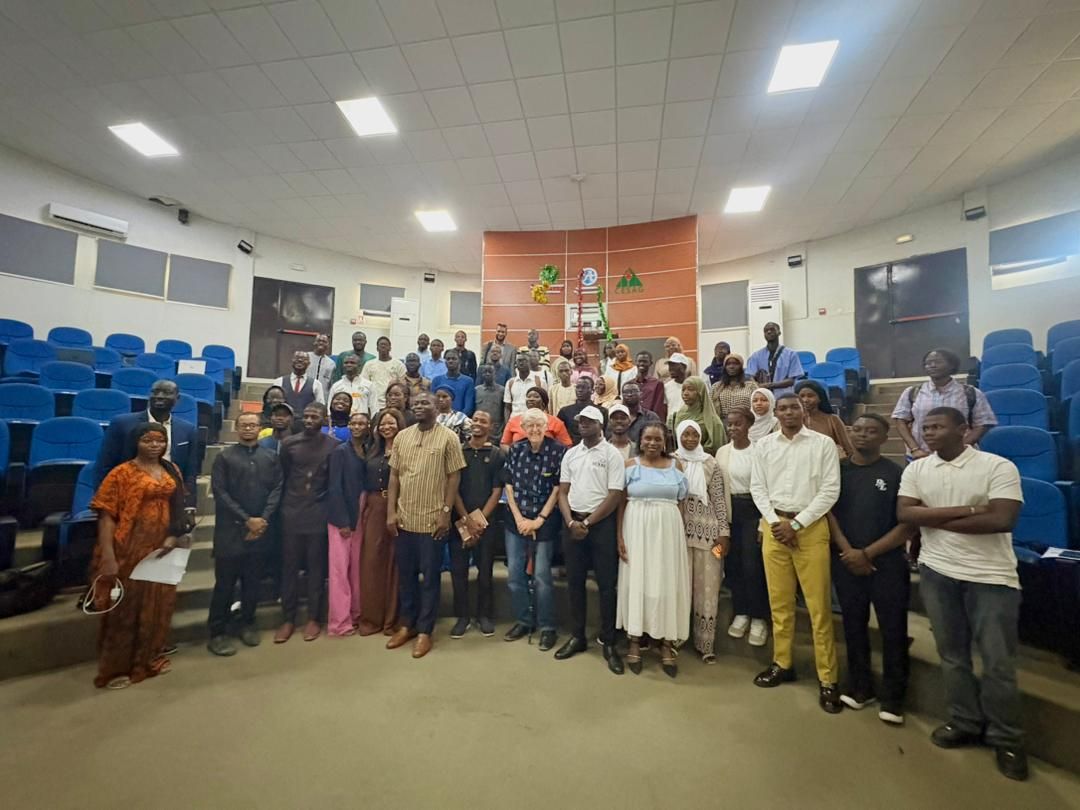
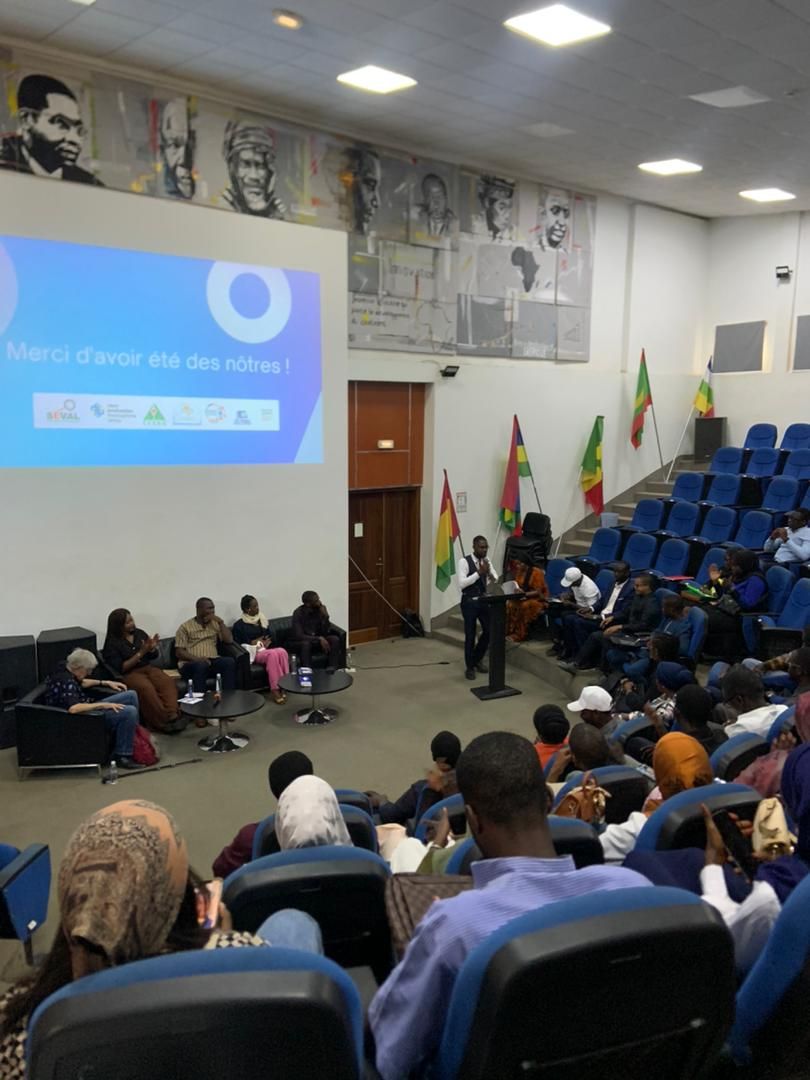
On 28 March 2026, AfrEA YEEs Senegal, in
collaboration with the SEVAL Club of CESAG, organised its first Evaluation
Café, held under the theme "Discovering the Profession of Evaluator: Path,
Realities, and Opportunities."
The gathering created a valuable space for
exchange between students, young professionals, and experts, helping to promote
a culture of evaluation, raise awareness of the evaluator profession, and
encourage greater involvement of young people in the field.
We extend our sincere thanks to the SEVAL
Club of CESAG, the panellists, partners, organisers, and participants for their
commitment and contribution to the success of this initiative.
This momentum will continue very soon with
Café de l'Évaluation No. 3, alongside a series of webinars and training
sessions aimed at strengthening the capacities of young evaluators and
promoting the use of evaluation in the service of public policy.
Let us remain mobilised to grow the culture
of evaluation together, in Senegal and across Africa.
Read More
|
|
|
|
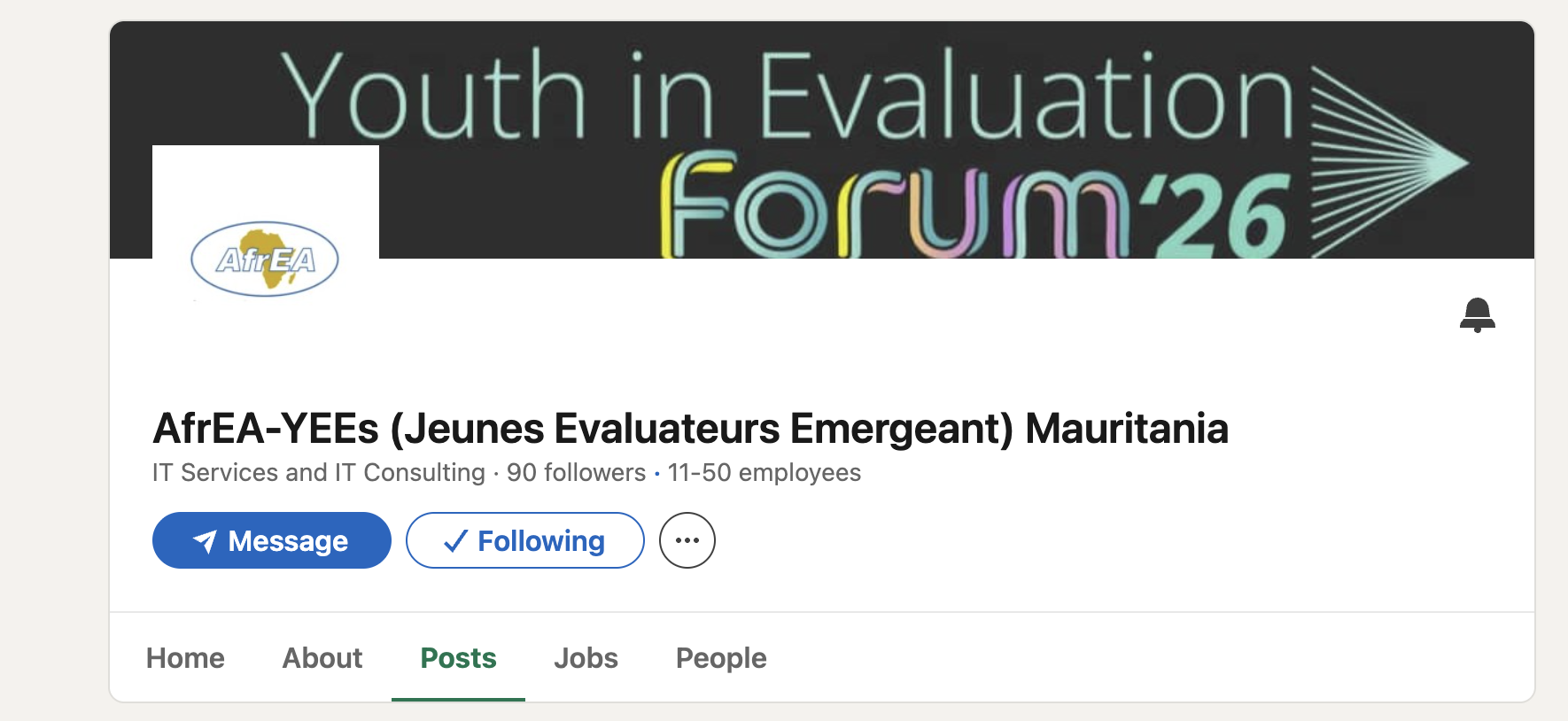
YEEs Mauritania Launches on LinkedIn |
|
|
|
Young and Emerging Evaluators (YEEs) in Mauritania now have a dedicated platform on LinkedIn. The page offers a space for exchange,
connection, learning, and shared experience, created for young Mauritanian
evaluators as well as for anyone wishing to begin a career in the field of
evaluation. Kindly follow this account using the link below.
Learn More |
|
|
|
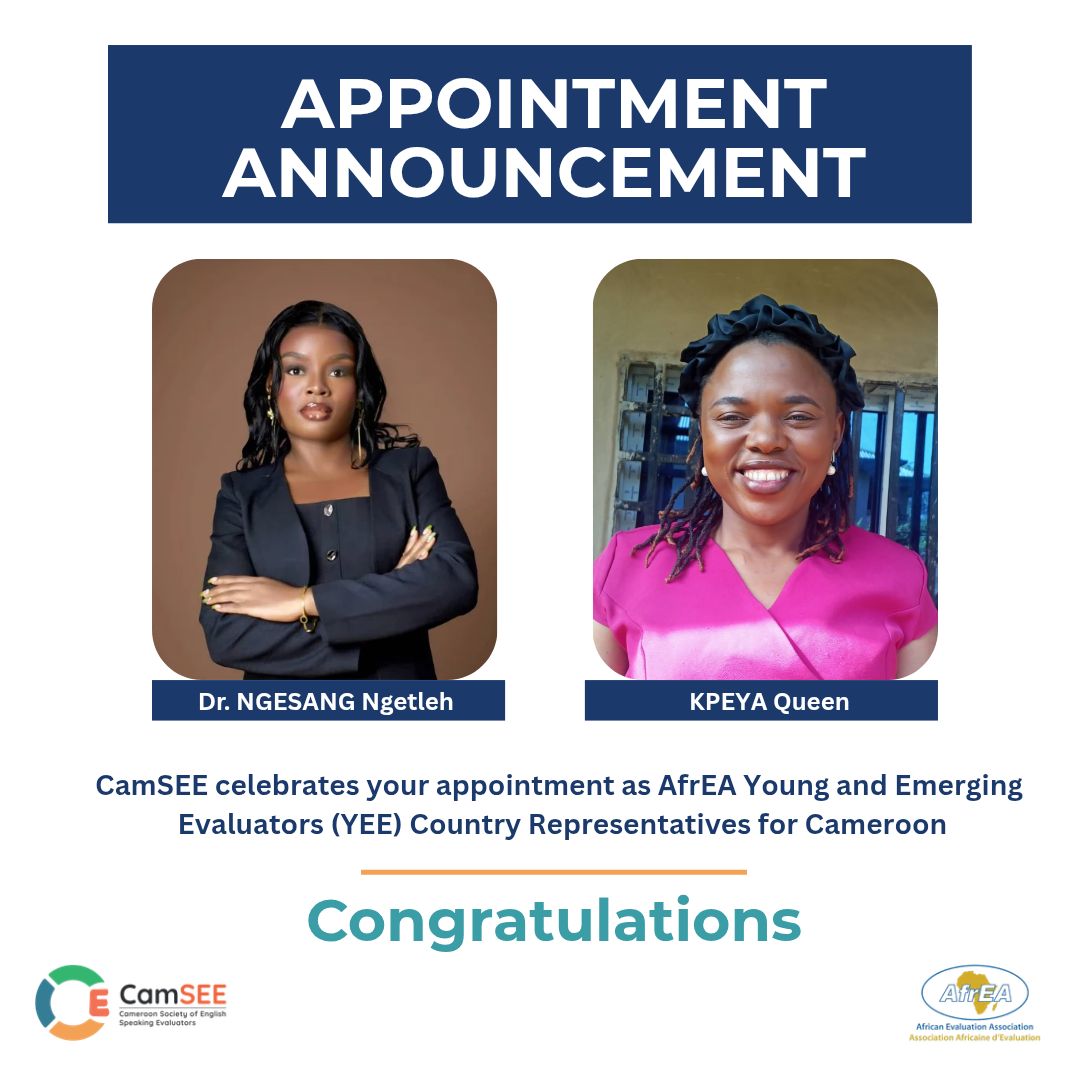
CamSEE Celebrates New YEE Country Representatives |
|
|
|
Two members of the Cameroon Society of
English-Speaking Evaluators (CamSEE), Ngesang N. Ngetleh, PhD, and Kpeya Queen,
have been appointed as Country Representatives for the Young and Emerging
Evaluators (YEE) Network of the African Evaluation Association (AfrEA) in
Cameroon.
Their journey within CamSEE reflects
consistency, growth, and a genuine commitment to strengthening evaluation
practice. This appointment not only recognises their efforts but also
highlights the growing role of young evaluators in shaping the future of the
field.
We celebrate this milestone and the impact
they continue to make within and beyond the community.
Congratulations to both on this
well-deserved appointment.
Read More
|
|
|
|
Meet the Winners of the YEE MEL Scholarship |
|
|
|
AfrEA YEEs is proud to congratulate the winners of the YEE MEL Scholarship: Deborah Toluwanimi, Oladipupo Oluwabori, Samuel Ruby, and Ahaiwe.
Coordinated through the Young and Emerging Evaluators (YEE) Network Nigeria, this scholarship reflects AfrEA's continued commitment to investing in the next generation of African evaluators. The winners will begin their Monitoring, Evaluation, and Learning (MEL) training this November with Cloneshouse Nigeria, an important step forward in their professional development.
Congratulations to all the winners, and we look forward to following your journey. Read More |
|
|
|
Youth in Evaluation Forum 2026: Burkina Faso |
|
|
|
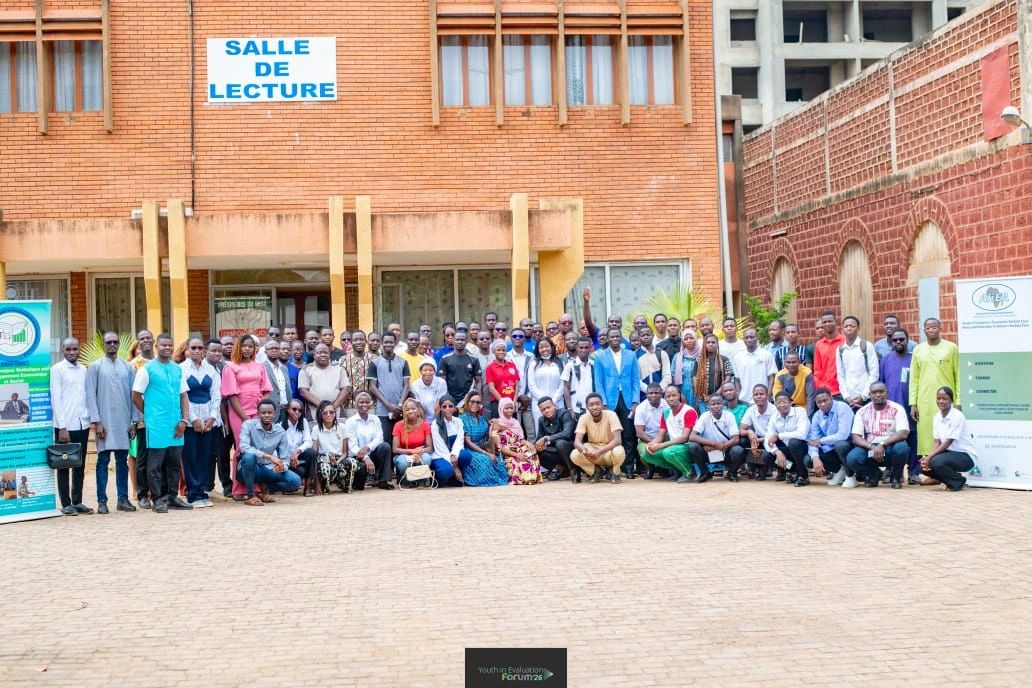
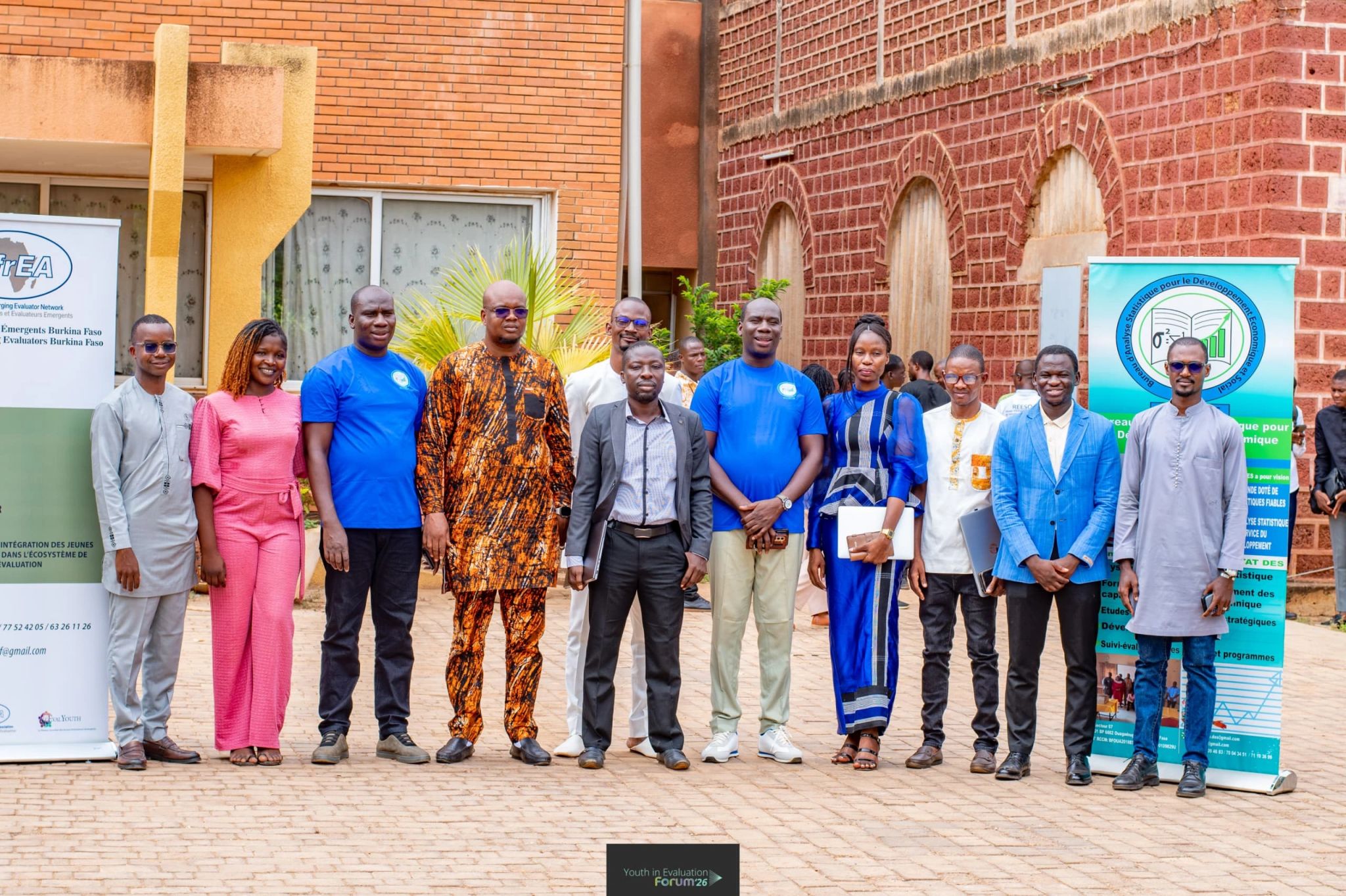
On 23 May 2026, the Young and Emerging Evaluators (YEE) Network of Burkina Faso organised the 2026 edition of the Youth in Evaluation Forum at the National Archives Centre in Ouagadougou.
The forum brought together 318 participants, 80.8 percent of whom were under 35, with over 100 attending in person and more than 200 joining online. The message was clear: evaluation is a profession of the future, and young people in Burkina Faso have their place in it.
On the programme
A plenary session featured testimonials from monitoring and evaluation professionals, including Babou Jean Pierre Bako and Dr Boubié Bako of Cabinet STAT DES SARL, Emmanuel Baga and Thierry Zango of UNDP Burkina Faso, and Harouna Kéré of 3IR and 3IM. The session was moderated by Siguawin-né C. Guira, Sociologist.
What participants said
Eighty-five percent rated the forum 4 or 5 out of 5, 91 percent left with reinforced motivation for a career in monitoring and evaluation, and 100 percent said they would recommend the forum to others.
A memorable reflection from Dr Babou and Dr Boubié Bako, twin founders of STAT-DES, captured the spirit of the day: when a young person does their work with integrity, it pays off in the long run.
With thanks
The YEE Network extends its gratitude to Nabyouré Jean Stanislas Ouédraogo, President of the Réseau Burkinabè de Suivi-Évaluation, for his presence and opening remarks, and to technical partners STAT-DES SARL, 3IR, and 3IM for making the forum possible.
Thanks also to every participant who joined, in person from Ouagadougou, Bobo-Dioulasso, Dori, Koudougou, and Dédougou, and online from Niger, Benin, Guinea, and Côte d'Ivoire, where AfrEA YEE's Francophone Regional Representative, Madeleine Brou, followed the forum live with an enthusiastic message of support for Burkina Faso.
Read More
|
|
|
|
|
|
|
|
|
|
|
.jpeg)
.jpeg)