| |
|
|
|
|
AfrEA@25: A Legacy of Growth, Innovation, and Impact
|
|
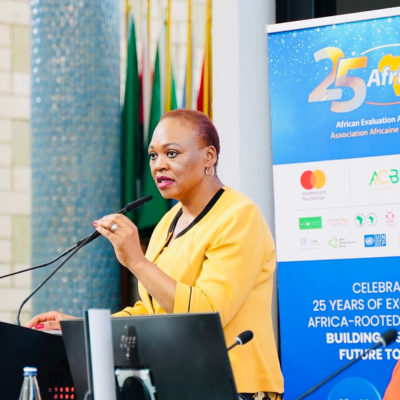
Three months after AfrEA’s 25th anniversary, its renewed sense of purpose is still fresh in our memories. Held from 16 to 18 June 2025 in Addis Ababa, Ethiopia, the celebration was a defining moment that charted a bold path for the future of evaluation in Africa.
Several historic milestones achieved during the celebration will shape the trajectory of AfrEA and the evaluation landscape for years to come.
|
|
|
|
The launch of the Made in Africa Evaluation Handbook, a
long-awaited resource, consolidates AfrEA’s thought leadership in culturally
grounded evaluation practice, offering practical guidance, tools, and case
studies that reflect African values, indigenous knowledge systems, and
context-specific methodologies.
The African School of Evaluation, launched during the anniversary, will
serve as a hub for capacity building, research, and innovation. Its first
cohort, expected in November 2025, will mark a new era in professional
development for African evaluators.
Perhaps the centerpiece of the anniversary was the signing of the Addis
Ababa Declaration on Strengthening Evaluation to Realize Agenda 2063. This
landmark agreement formalizes AfrEA’s partnership with the AU and positions
evaluation as a strategic tool for achieving the continent’s long-term
development vision.
The MoU with the African Union is a
transformative achievement. It affirms evaluation as a cornerstone of Agenda
2063, Africa’s blueprint for inclusive growth and sustainable development. The
declaration outlines a shared commitment to institutionalize evaluation in
national, regional, and continental frameworks; strengthen evaluation capacity
through training, partnerships, and regional hubs; leverage innovation and
technology, including AI and data analytics, for real-time tracking of
development indicators; foster multi-stakeholder collaboration across sectors
and borders; promote equity and inclusion, with a focus on youth and women’s
leadership in evaluation; and mobilize resources to sustain and scale
evaluation systems.
This partnership not only elevates AfrEA’s role but also creates a
unified platform for aligning evaluation efforts with Africa’s development
ambitions. It is a call to action for governments, civil society, academia, and
the private sector to work together in building a robust, responsive, and
inclusive evaluation ecosystem.
These achievements come with new responsibilities. Institutionalizing
evaluation across diverse contexts, building capacity at scale, and integrating
technology while safeguarding cultural relevance are complex tasks. Evidently,
AfrEA is ready to meet these challenges.
The association stands at a pivotal moment in its journey, ready to lead
the ongoing transformation of Africa’s evaluation landscape and to support the
realization of Agenda 2063 and its Ten-Year Implementation Plans. But this
mission requires collective effort. The collaboration of governments,
development partners, civil society, academia, and the private sector is vital for
AfrEA to effectively promote African Evaluation Principles and advance the Made
in Africa Evaluation approach.
During the anniversary celebration, we reflected on AfrEA’s
transformative journey for the past 25 years. Now, we must look ahead with
clarity, courage, and commitment. The momentum built during the Addis Ababa
celebrations has laid a strong foundation for the next
chapter of AfrEA’s journey. Let us build on this momentum to achieve an Africa
where evaluation promotes accountability, learning, and transformation.
Mrs. Botho Kebabonye Bayendi Director of Strategic Planning and Delivery African Union Commission
|
|
|
|
|
|
The African School of Evaluation (ASE) |
|
The African School of Evaluation (ASE), an initiative by the African Evaluation Association (AfrEA), is designed to strengthen evaluation capacity across Africa. ASE aims to develop a new generation of skilled evaluators capable of conducting high-quality assessments that align with local needs, international standards, and the Made in Africa Evaluation approach.
|
|
|
|
Why ASE? Evaluation is essential for effective governance, informed policymaking, and sustainable development. However, Africa faces significant challenges, including a shortage of specialized training, limited degree programs, and fragmented regional coordination. The ASE was created to bridge this gap, fostering local expertise and reducing reliance on foreign evaluators.
Training Programs ASE offers structured, hands-on courses led by expert trainers. The first edition is scheduled from 24 to 28 November 2025 in Accra, Ghana, in collaboration with the Institute of African Studies of the University of Ghana. Each training session will focus on key themes in evaluation, ensuring practical and applicable learning experiences. For one week, various courses will be run concurrently in collaboration with different partners.
Know more about ASE 2025
|
|
|
|
|
|
|
|
|
|
Step into the spirit of AfrEA’s 25th Anniversary by exploring our gallery where every frame tells a story of impact, innovation, and African-led transformation.
From the powerful opening plenaries, the handing of the Evaluation Torch and the Launch of the Made In Africa Evaluation Handbook in Day 1 to the legacy-focused reflections of Day 2, and the forward-looking energy of Day 3 that ended with the signing of the historic MoU between AfrEA and the African Union, these photos capture the essence of our journey together.
Whether you missed a moment or want to relive the magic, catch all the insight, emotion, and inspiration that shaped this historic gathering.
View Day 1 Gallery View Day 1 Dinner Gallery View Day 2 Gallery View Day 2 Gala Gallery View Day 3 Gallery |
|
|
|
Marking a Milestone: AfrEA’s MAE Handbook and the Future of Evaluation in Africa |
|
|
|
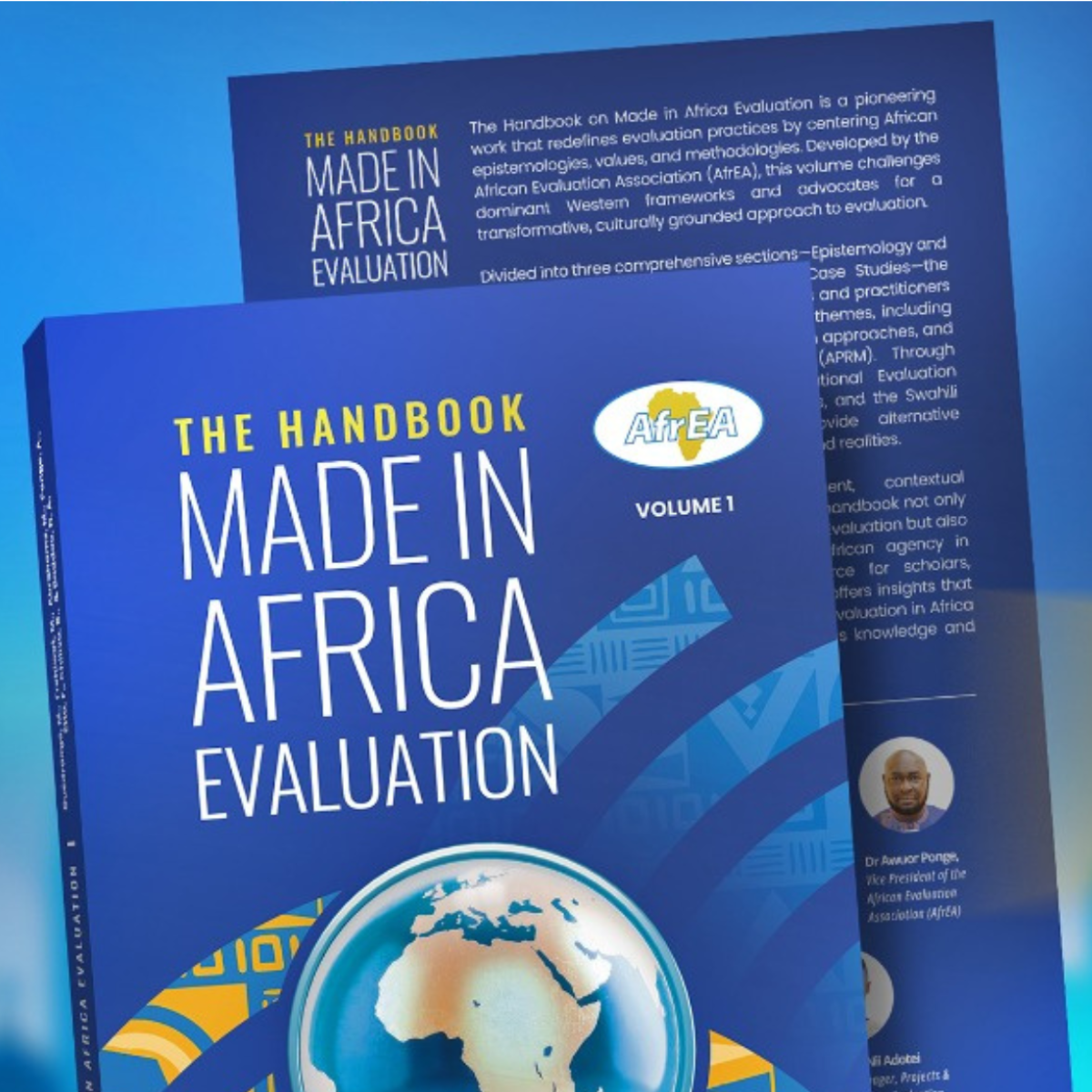
AfrEA's Made in Africa Evaluation (MAE) Handbook Volume 1 continues to resonate as a transformative milestone in African-led evaluation practice.
Launched on June 16, 2025, during AfrEA’s 25th Anniversary celebrations in Addis Ababa, the Handbook marked a defining moment for the continent’s evaluation community. Drawing together evaluators, policymakers, academics, and development partners, the event spotlighted Africa’s commitment to shaping its own evaluation narrative, one rooted in indigenous knowledge systems, values, and contexts.
Volume 1 of the MAE Handbook is more than a publication; it is a declaration of Africa’s intellectual sovereignty. It distills the African Evaluation Principles (AEP) and the MAE philosophy into practical tools, methodologies, and case studies that reflect the continent’s diversity and complexity.
Designed for use in training, policy development, and evaluation implementation, the Handbook invites both African and global evaluators to engage with its insights. It stands as a call to embrace pluralism, deepen contextual relevance, and co-create future volumes through shared learning.
|
|
|
|
Generation Torchbearers: Sustaining Africa’s Evaluation Legacy |
|
|
|
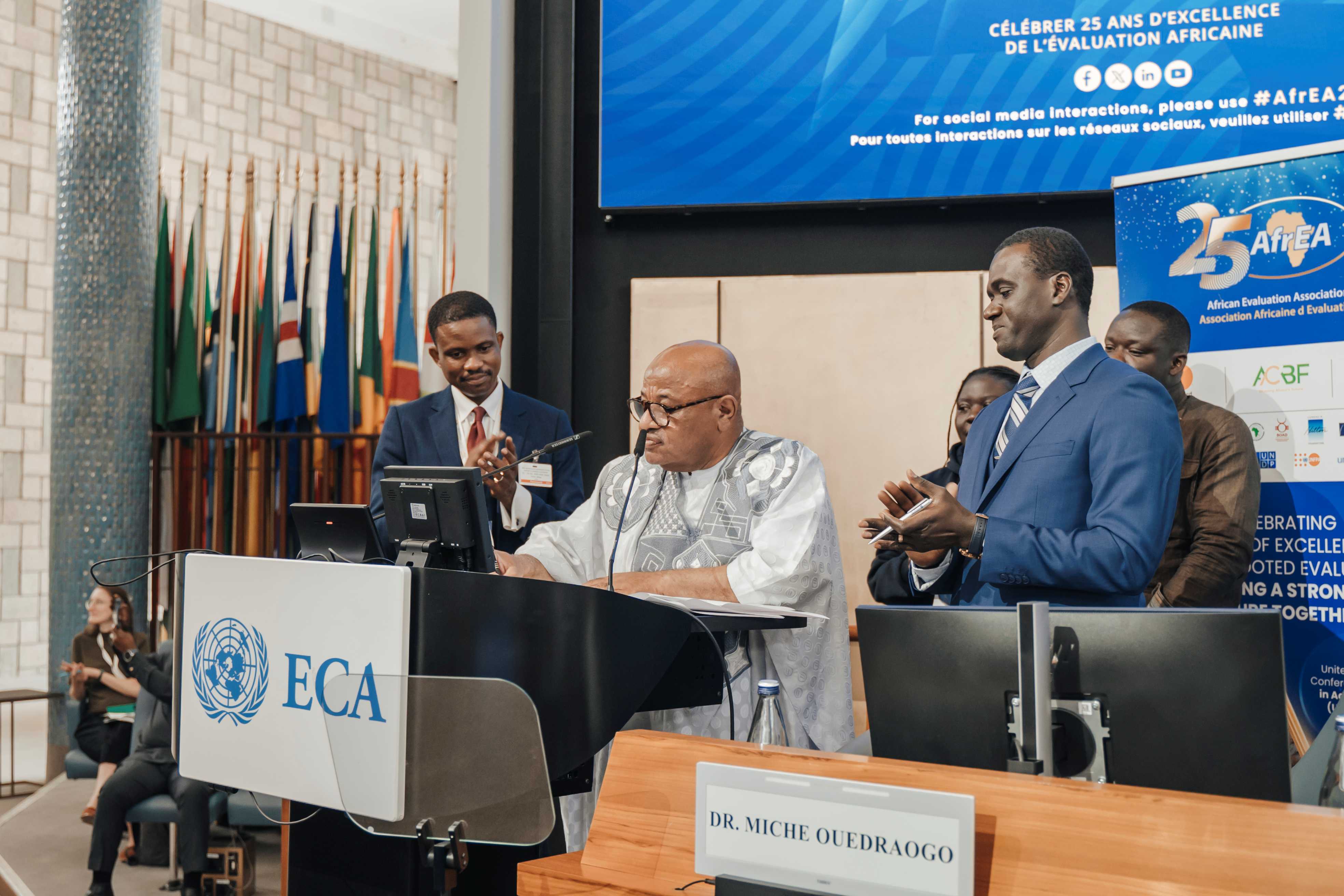
Dr. Miché Ouédraogo, President of AfrEA, receives the Evaluation Torch flanked by YEEs.
|
|
The memory of the Young and Emerging Evaluators (YEE) session at the 25th anniversary of AfrEA remains vivid, urgent, and full of promise. Held in the symbolic Africa Hall of the UNECA Conference Center, the session was a moment of reckoning, a generational handover, and a collective affirmation that the future of African evaluation is already unfolding in the hands of its youth.
The voices that filled the room; Noumonvi from Togo, Aimee from Rwanda, Hilina from Ethiopia, Mark from Kenya, and Ana Erika from EvalYouth Global did not speak from the margins. They spoke from the center, challenging the status quo, calling for systemic shifts, and reminding us that youth engagement is not a box to tick, but a paradigm to embrace.
For Marco Segone, Director of the Independent Evaluation Office of UNFPA, "volunteering is the best way to enter and grow in the field of evaluation.” His words echoed through the session, grounding the conversation in the realities of access, mentorship, and visibility. But it was the young evaluators themselves who gave those words life through stories of bold ideas, cross-country collaboration, and the quiet power of showing up.
The symbolic handing over of the Evaluation Torch to the AfrEA President Dr. Miché Ouedraogo was a gesture of trust, continuity, and shared responsibility. It marked a shift from celebration to commitment.
The session did not only offer recommendations, it offered a vision where youth are not just included, but empowered; where digital tools, regional exchanges, and culturally grounded approaches are not add-ons, but essentials; and where mentorship is multidirectional, and learning is co-created.
Moving forward, the challenge is clear: to nurture this momentum, institutionalize youth-led spaces, and ensure that the torch handed over continues to burn brightly. Because the future of African evaluation is not waiting backstage, it has already taken center stage.
|
|
|
|
Honoring Africa’s Evaluation Architects: AfrEA@25 Awards |
|
|
|
The warmth and reverence of AfrEA’s 25th Anniversary Gala, evening still resonates. Held on June 17, 2025, at the Sheraton Hotel Ballroom in Addis Ababa, the celebration was a heartfelt tribute to the people and principles that have shaped AfrEA’s journey over a quarter century.
AfrEA's President welcomed guests with grace and gratitude, reflecting on the significance of the milestone and the collective spirit that has sustained the Association’s growth.
A keynote reflection by Mr. Stephen Aloo of the Mastercard Foundation reminded attendees of AfrEA’s enduring impact on evaluation practice and development outcomes across the continent. His words celebrated not just achievements, but the values of collaboration, innovation, and African ownership that define AfrEA’s legacy.
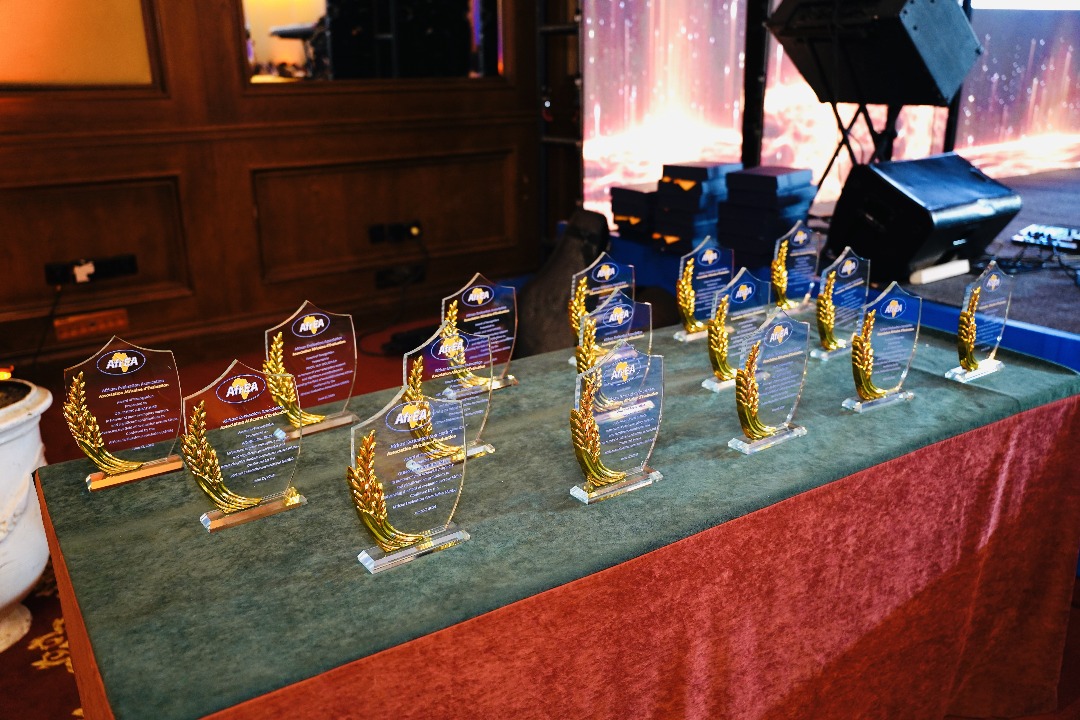
As guests enjoyed traditional Ethiopian music and dance over dinner, the gala transitioned into its most poignant segment: the Recognition of Excellence Awards Ceremony. Co-hosted by the Mastercard Foundation and the African Union, the ceremony honored individuals whose contributions have shaped AfrEA’s identity and advanced the field of evaluation in Africa.
Among the most moving moments was the posthumous award presented to the late Dr. Sulley Adisa Bamidele Gariba, AfrEA’s 5th President and a visionary behind the Made in Africa Evaluation movement. His wife, Mrs. Neo Thamae Gariba, accepted the award on his behalf, embodying the spirit of partnership and sacrifice that underpinned his life’s work. Her presence was a powerful reminder of the personal stories behind institutional progress.
The evening also celebrated:
- AfrEA’s Past Presidents, from Dr. Mahesh Patel, the 1st AfrEA President, to Ms. Rosetti Nabbumba Nayenga, the 11th AfrEA President for their leadership and enduring contributions.
- Prof. Bagele Chilisa, for pioneering the Made in Africa Evaluation approach.
- Dr. Mark Anthony Abrahams, for founding and shaping the African Evaluation Journal.
- Marco Segone, for his mentorship of Young and Emerging Evaluators (YEEs).
- Professors Ian Hopwood and Ian Goldman, for their lifetime contributions to AfrEA and the evaluation field.
As AfrEA looks ahead, the spirit of the gala lives on; in every evaluation shaped by African principles, every young evaluator mentored, and every voice honored for its role in building a resilient, visionary community.
|
|
|
|
Historic MoU With the African Union to Foster Agenda 2063 |
|
|
|
During AfrEA’s 25th Anniversary celebrations in Addis Ababa, a quiet but powerful shift took place; one that will echo across Africa’s development landscape for years to come. On 18 June 2025, the African Evaluation Association (AfrEA) and the African Union (AU) signed a historic Memorandum of Understanding (MoU), formalized through the Addis Ababa Declaration 2025.
The agreement is a shared promise to embed evaluation at the heart of Africa’s development journey. This landmark moment marked a strategic alignment with Agenda 2063, the AU’s blueprint for a prosperous, inclusive, and self-determined Africa. It signaled a new era where African-led evaluation is not peripheral, but central, driving evidence-based decision-making, accountability, and transformation.
The Declaration outlines six pillars that reflect both ambition and pragmatism:
- Institutionalizing Evaluation: Supporting AU Member States to embed robust, contextually grounded evaluation systems.
- Strengthening Capacity: Investing in training, partnerships, and regional hubs to build a skilled, connected evaluation workforce.
- Leveraging Innovation and Technology: Promoting AI and data tools designed with African languages and realities in mind.
- Fostering Multi-Stakeholder Collaboration: Establishing a Continental Evaluation Consortium to coordinate efforts across borders.
- Promoting Equity and Inclusion: Elevating youth and women’s leadership, and prioritizing evaluations that reflect Africa’s social fabric.
- Resource Mobilization: Urging governments and partners to fund evaluation systems aligned with Agenda 2063.
For AfrEA, this MoU is both a culmination and a beginning. After 25 years of championing African-rooted evaluation, the Association now stands ready to partner with the AU in shaping a future where evaluation is not just a technical tool but a cultural, political, and developmental imperative.
The Addis Ababa Declaration is a call to action that invites governments, institutions, and communities to co-create evaluation systems that reflect Africa’s aspirations and realities. It affirms that Africa’s development must be guided by its own evidence, its own principles, and its own people.
This MoU is a doorway; and AfrEA, alongside the AU, is holding it open for a continent ready to lead, learn, and transform.
|
|
|
|
|
|
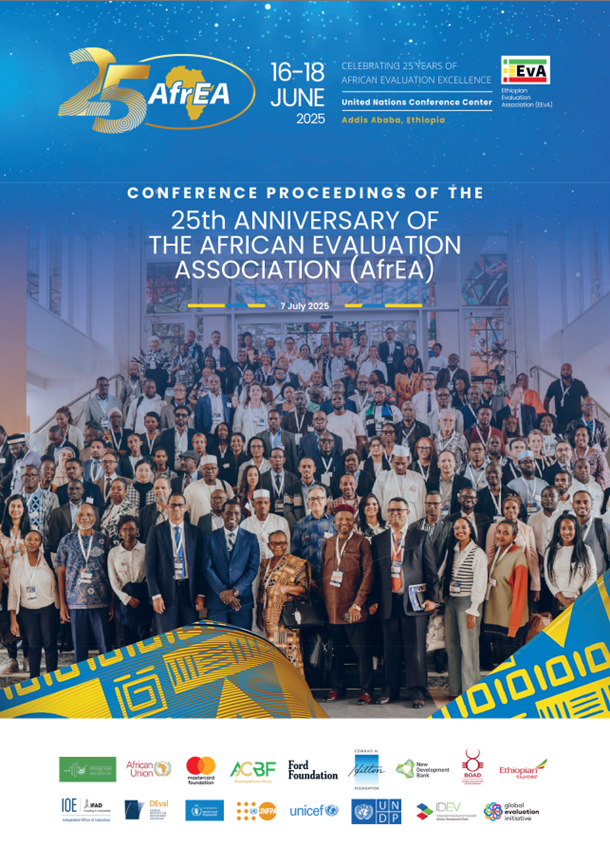
The report of the proceedings of the 25th anniversary of AfrEA, captures the spirit, substance, and strategic insights from this landmark event.
It serves as both a record and a resource, highlighting the voices, ideas, and commitments that emerged from the Addis Ababa gathering.
We invite you to explore the report and share it widely. Together, we celebrate. Together, we advance.
Download the report.
|
|
|
|
|
|
|
|
AfrEA Strengthens Parliamentary Ties in Senegal Through Strategic Courtesy Visit to the National Assembly
|
|
|
|
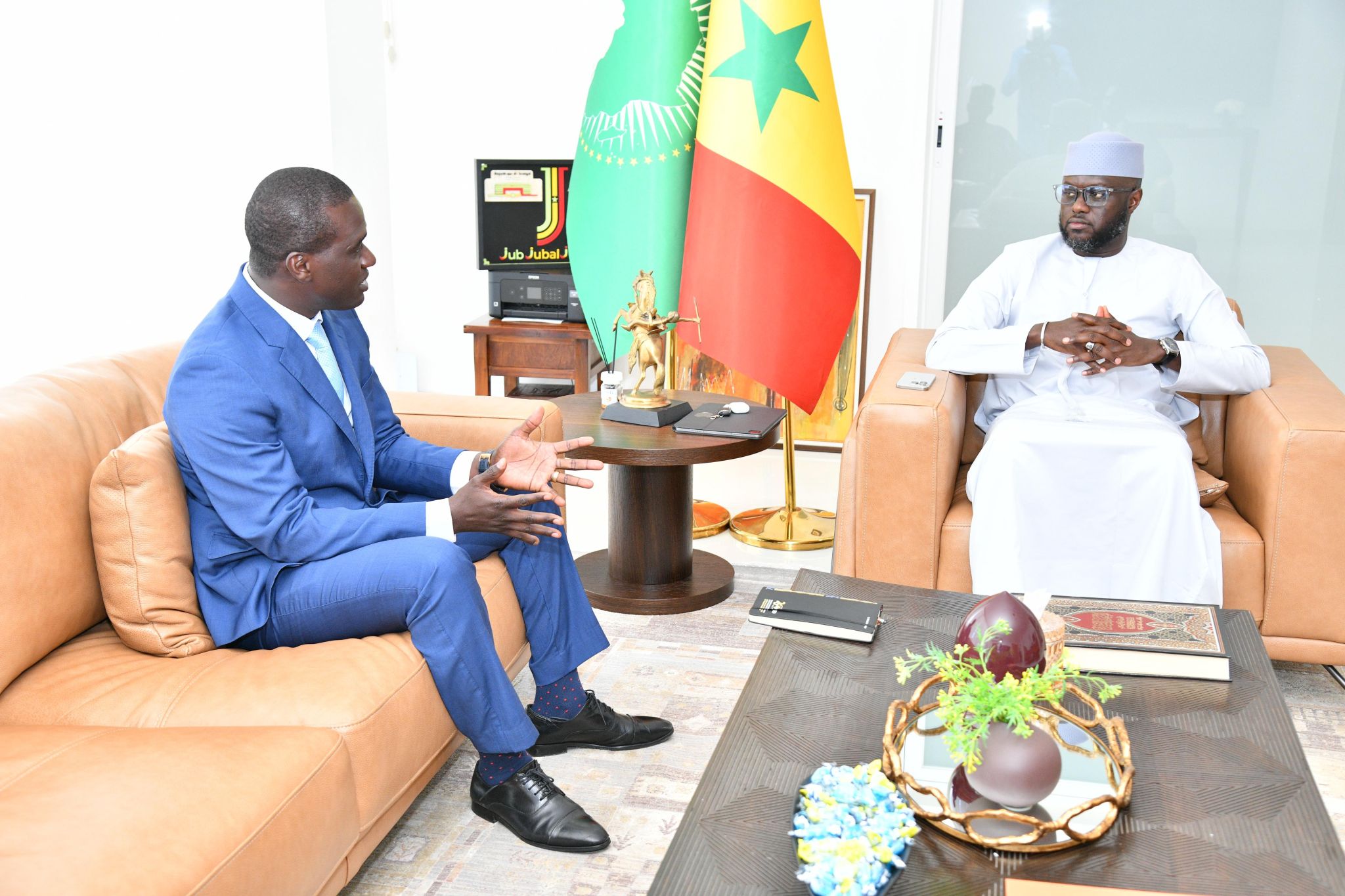
The President of AfrEA, Dr. Miché Ouédraogo, was received in audience by His Excellency El Malick NDIAYE, President of the National Assembly of Senegal. The meeting was graced by the Honorable Mohamed Sall, Member of Parliament and elected Secretary, and Mr. Mamadou Yauck, Special Advisor to the President of the Assembly.
This high-level courtesy visit offered a meaningful opportunity to express AfrEA’s deep appreciation for the National Assembly’s distinguished participation in AfrEA’s 25th anniversary celebrations held in Addis Ababa in June 2025. The presence of Senegal’s parliamentary delegation was a powerful affirmation of the country’s leadership in advancing evaluation culture across Africa.
President Ouédraogo also shared AfrEA’s strategic vision, emphasizing the association’s commitment to strengthening national evaluation systems, promoting evidence-informed public policy, and championing approaches rooted in African contexts and realities.
Discussions highlighted major institutional reforms underway in Senegal, notably the institutionalization of parliamentary engagement in public policy evaluation. This bold initiative reflects Senegal’s dedication to transparency, good governance, and a results-oriented public sector; values that resonate deeply with AfrEA’s mission.
This engagement marks a significant step toward embedding evaluation at the heart of democratic institutions and policy processes across the continent. AfrEA and its partners continue to build a future where African-led evaluation drives accountability, learning, and transformation.
|
|
|
|
Strengthening Ties for African Evaluation Excellence: AfrEA President Visits UNICEF Regional Office
|
|
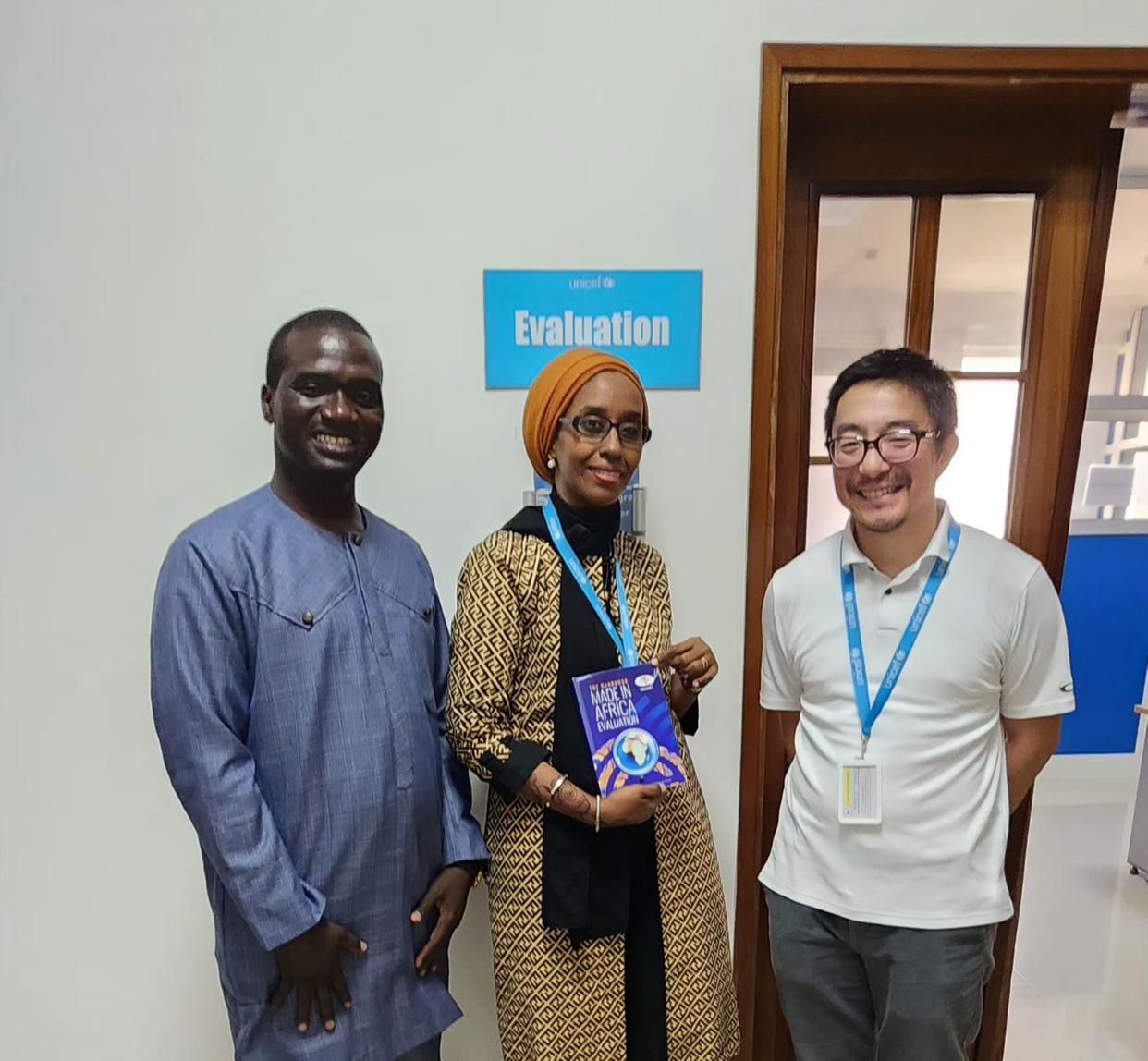
In Senegal, AfrEA President, Dr. Miché Ouédraogo, paid a courtesy visit to the West and Central Africa Regional Office of UNICEF, where he engaged with Dr. Souraya Hassan, Regional Evaluation Adviser at UNICEF West and Central Africa, and her evaluation team. The meeting marked a significant moment in AfrEA’s ongoing efforts to deepen partnerships that advance evaluation across the continent.
|
|
|
|
The deliberations centered on key themes critical to Africa’s evaluation ecosystem: strengthening national evaluation capacities, investing in young and emerging evaluators (YEEs), and amplifying the Made in Africa Evaluation movement to enhance development impact and accountability. These discussions reaffirmed a shared commitment to fostering inclusive, contextually grounded evaluation practices that reflect African realities and leadership.
A highlight of the visit was the presentation of Volume 1 of AfrEA’s new publication, the Made in Africa Evaluation Handbook, now available in e-pub format and PDF format. The dialogue also touched on the upcoming course UNICEF is offering at the African School of Evaluation (ASE) 2025.
This collaboration reflects a growing synergy between AfrEA and UNICEF in building the next generation of evaluators and embedding evaluation into the heart of development programming.
AfrEA extends gratitude to UNICEF for its steadfast support and partnership.
|
|
|
|
AfrEA Visits the Institute of African Studies of the University of Ghana Ahead of ASE 2025
|
|
|
|
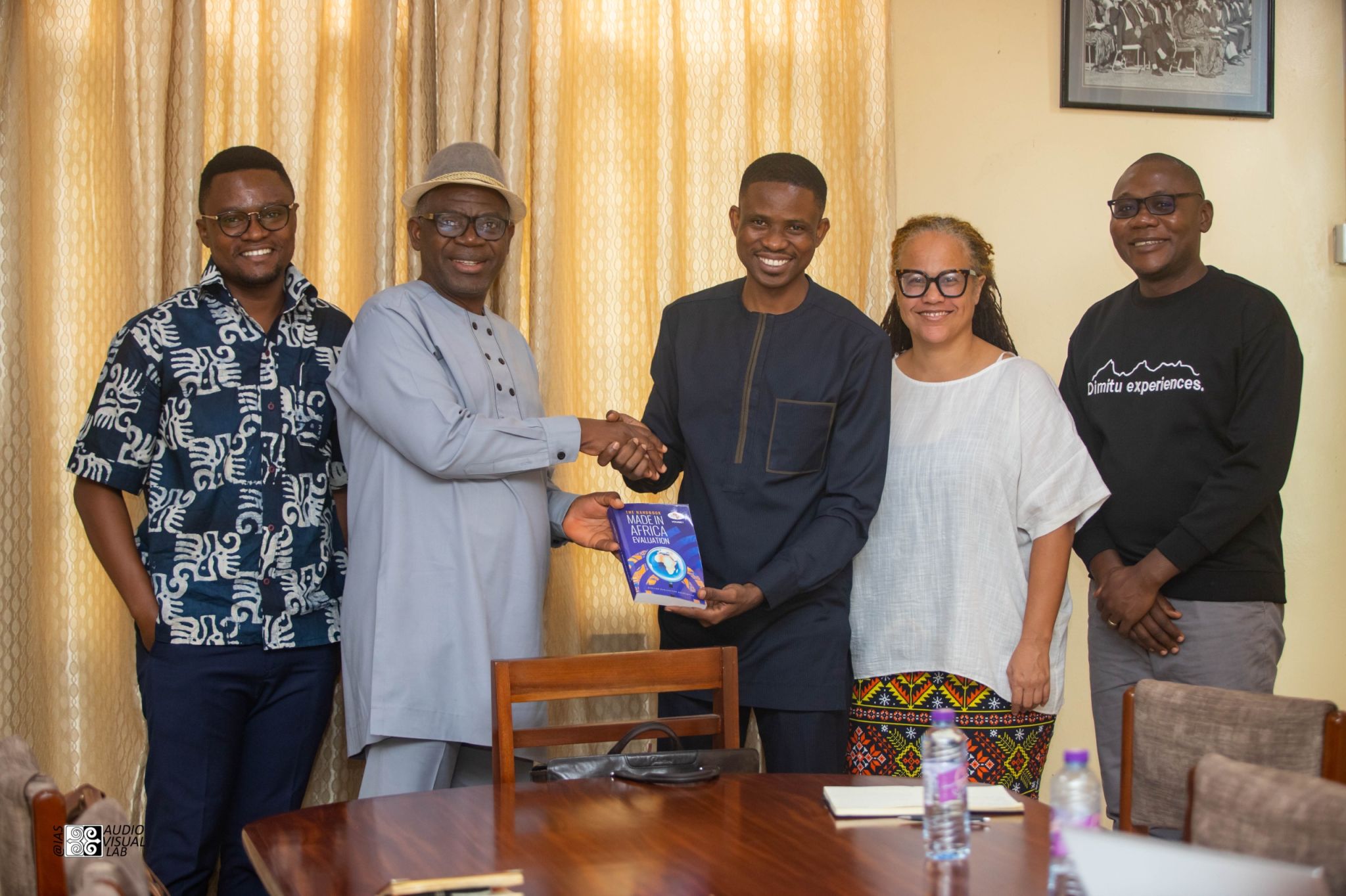
AfrEA, led by Executive Director Carlos Komla AKLIGO, paid a courtesy visit to the Institute of African Studies at the University of Ghana, the host institution for the inaugural African School of Evaluation (ASE) 2025, scheduled for 24–28 November 2025.
The AfrEA delegation, joined by Dr. Mjiba Frehiwot, Editor-in-Chief of the African Evaluation Journal, was warmly received by Prof. Samuel Ntewusu, Director of the Institute. The visit included a guided tour of the Institute’s facilities and a vibrant exchange on strengthening institutional collaboration in support of African-led evaluation.
Prof. Ntewusu commended AfrEA’s visionary leadership and affirmed the Institute’s enthusiasm to cultivate a long-term partnership that extends well beyond ASE 2025. The dialogue underscored mutual aspirations to embed African perspectives more deeply into evaluation, research, and policy frameworks across the continent.
A highlight of the visit was the symbolic presentation of AfrEA’s Handbook on Made in Africa Evaluation, a gesture that reaffirmed both institutions’ shared commitment to contextually grounded, locally owned evaluation practice.
|
|
|
|
AfrEA Projects African Evaluation Leadership at DIWA Summit 2025
|
|
|
|
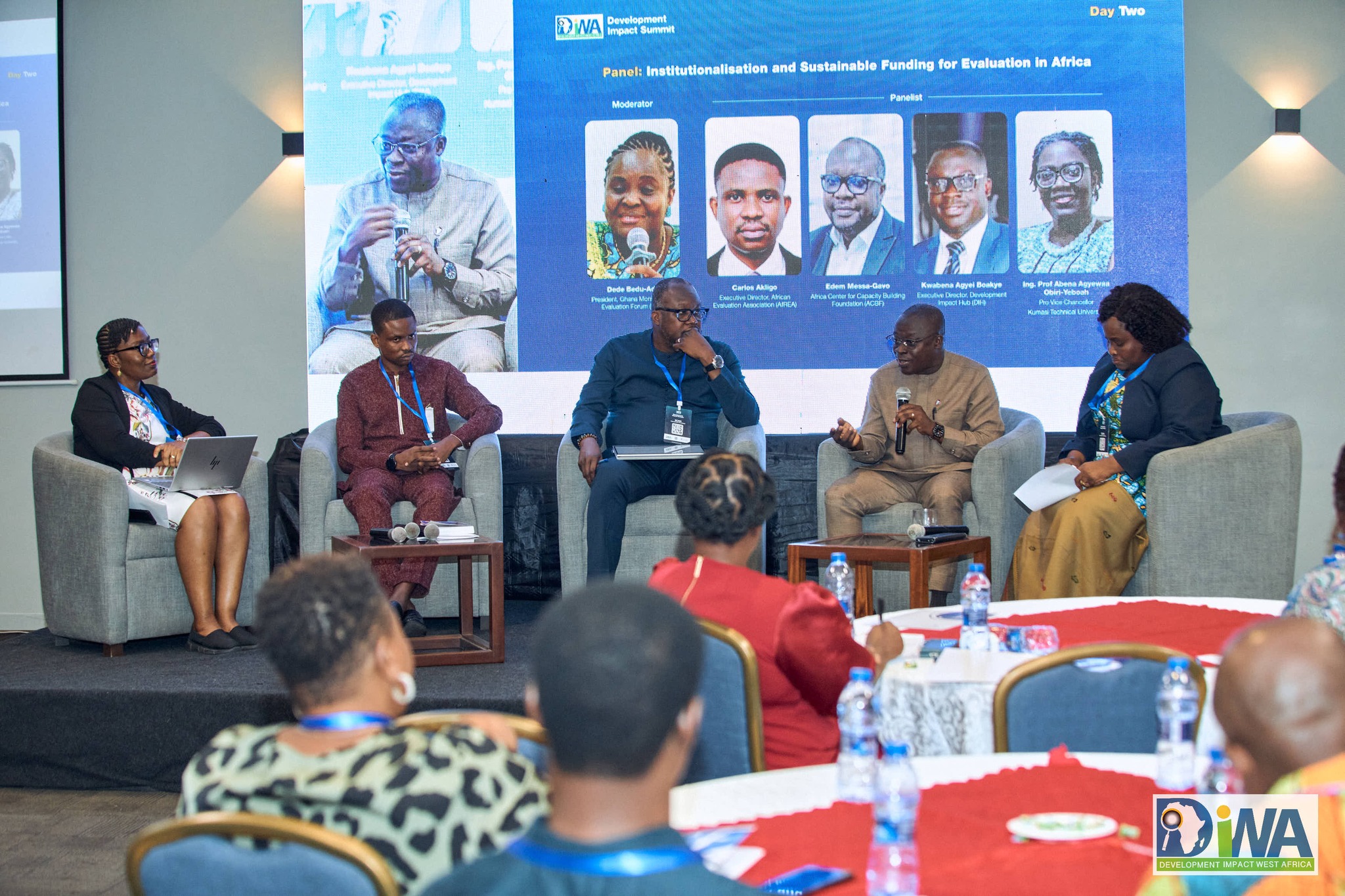
AfrEA’s Executive Director, Carlos Komla AKLIGO, participated in a high-level panel discussion at the Development Impact West Africa (DIWA) Summit 2025, a flagship convening focused on strengthening evidence-informed decision-making across the region.
Held in Accra, the summit brought together policymakers, researchers, and evaluation leaders to explore innovative approaches to development impact. Mr. AKLIGO’s contribution to the panel spotlighted AfrEA’s continental initiatives to build robust evaluation capacity, institutionalize national systems, and elevate African-led knowledge production.
In his remarks, Mr. AKLIGO emphasized AfrEA’s commitment to promoting Made in Africa Evaluation, supporting youth and media engagement, and fostering strategic partnerships with governments, parliaments, and academic institutions. He shared recent milestones, including the launch of the African School of Evaluation (ASE2025), the expansion of AfrEA’s Evaluation Journal, and the Alliance’s efforts to embed equity, learning, and resilience in evaluation practice.
The panel discussion underscored the urgent need for contextually grounded, inclusive, and sustainable evaluation systems that respond to Africa’s development priorities. Mr. AKLIGO’s presence reaffirmed AfrEA’s role as a continental convener and thought leader, bridging policy and practice to advance transformative change.
|
|
|
|
AfrEA Advances African Evaluation at Benin Evaluation Days
|
|
|
|
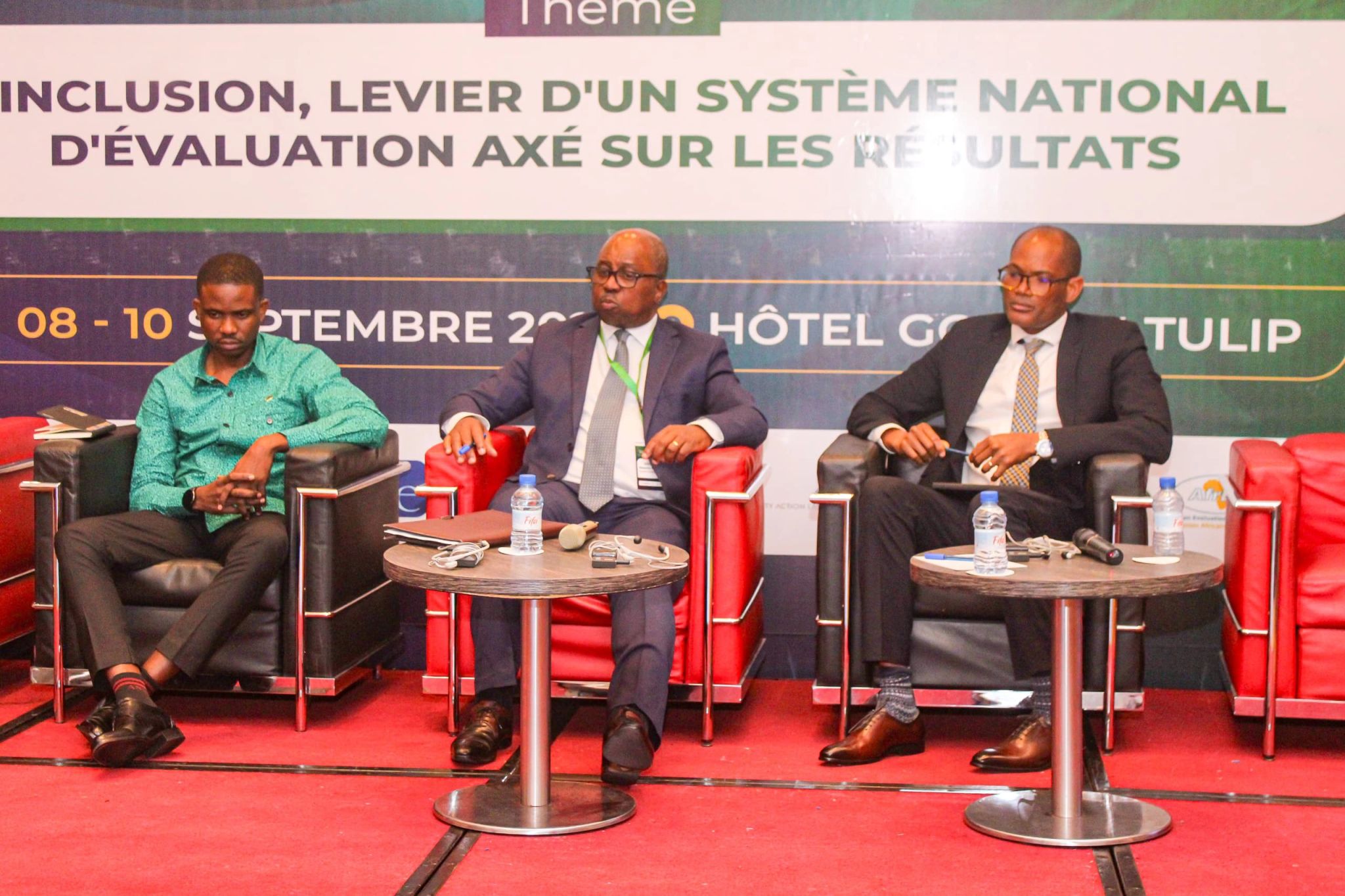
AfrEA’s Executive Director, Carlos Komla AKLIGO, represented the Alliance at the Journée Béninoise de l'Évaluation (Benin Evaluation Days), a landmark convening of evaluation practitioners, policymakers, and thought leaders from Benin and across the continent.
In his intervention, Mr. AKLIGO shared compelling examples of AfrEA’s work to promote the decolonization and endogenization of evaluation in Africa. From community-led learning systems to culturally grounded methodologies, his message reaffirmed AfrEA’s commitment to positioning evaluation as a tool of empowerment, ownership, and relevance for African societies.
AfrEA continues to lead a continental movement that reimagines how knowledge is generated, valued, and used, by championing African-rooted approaches and elevating local voices, placing African realities at the heart of evaluation practice.
We thank our partners in Benin for hosting this vital dialogue and look forward to strengthening cross-border collaboration in pursuit of inclusive, transformative evaluation systems.
Watch Carlos's intervention (in French).
|
|
|
|
AfrEA’s Youth Voice Resonates at Tanzania MEL Week 2025
|
|
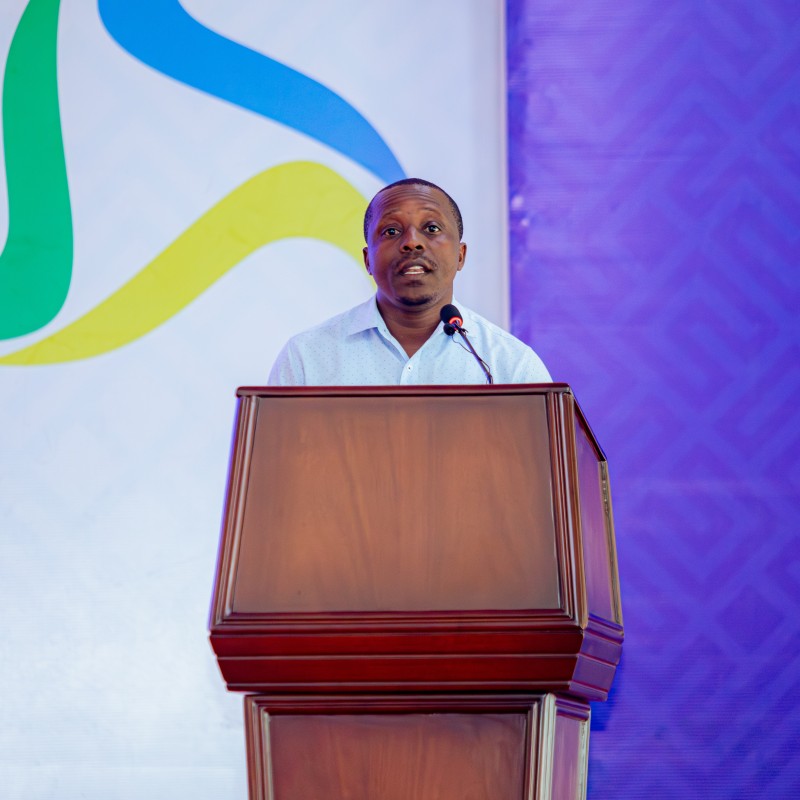
At the Tanzania Monitoring, Evaluation and Learning (MEL) Week that held in Mwanza from 10 September to 13 Sepetmber 2025, the African Evaluation Association (AfrEA) was proudly represented by Baraka Mfingile, co-lead of AfrEA’s Young and Emerging Evaluators (YEE) network, who addressed the gathering on behalf of the President of the association, Dr. Miché Ouédraogo.
|
|
|
|
Focused on strengthening community-led M&E, the Tanzania MEL Week 2025 convened a dynamic mix of government officials, development partners, civil society actors, and evaluation professionals. Baraka’s address brought AfrEA’s message of continental solidarity, innovation, and youth empowerment to the fore.
He reaffirmed AfrEA’s strategic priorities: advancing Made in Africa Evaluation, institutionalizing national systems, and promoting evidence-informed public policy; rooted in African realities, equipped with contextual knowledge, and committed to a transformation of Africa's evaluation landscape.
Baraka called on Africans to take the lead in conducting their own evaluations, which ensures amongst other, that African leaders are accountable to their people.
Watch Baraka's address.
|
|
|
|
AfrEA Engages Strategic Dialogue with National Planning Leadership in Kenya
|
|
|
|
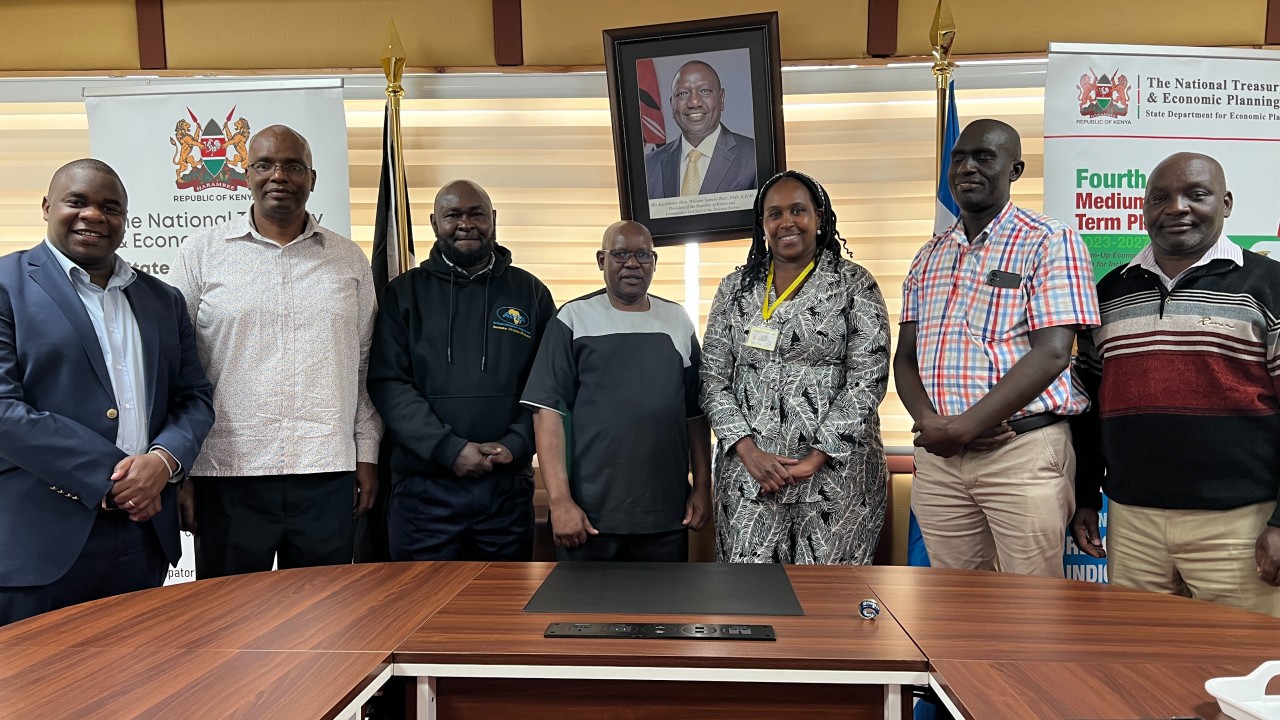
On Friday, 26 September 2025, AfrEA, through the Kenyan delegation serving on its Board, held a high-level meeting with the Director General for Economic Planning at Kenya’s Ministry of the Treasury and National Planning. Convened at the National Treasury Building in Nairobi, the meeting marked a significant milestone in AfrEA’s efforts to deepen political engagement for evaluation in Africa.
The agenda centered on preparations for Kenya’s upcoming Monitoring & Evaluation (M&E) Week and broader strategies to strengthen national evaluation systems. The dialogue underscored the critical role of government leadership in institutionalizing evaluation as a pillar of public sector performance, transparency, and learning.
AfrEA commends the Ministry’s openness to collaboration and its recognition of evaluation as a strategic tool for evidence-informed policymaking. Political support, especially from national planning authorities, is essential to ensure that evaluation is not only practiced, but embedded in decision-making processes that shape development outcomes.
This engagement reflects AfrEA’s ongoing commitment to fostering high-level partnerships that elevate African-led evaluation and drive systemic change.
|
|
|
|
|
|
Three new grants have been signed by AfrEA with prominent partners; Mastercard Foundation, Ford Foundation, and African Capacity Building Foundation (ACBF). Each of these gants reinforces AfrEA’s commitment to strengthening evaluation systems across the continent.
Mastercard Foundation The Mastercard Foundation partnership introduces a three-pillar program to professionalize evaluation, promote inclusive opportunities, and embed African epistemologies. It will enhance national evaluation systems through education, create fellowships and mentorships for youth with the objective to render them self-sufficient through evaluation, and center Indigenous knowledge in evaluation design and dissemination.
Ford Foundation The Ford Foundation grant will bolster AfrEA’s 2025 Annual Work Plan and Strategic Plan (2024–2028), focusing on expanding VOPEs in Lusophone Africa, enhancing institutional capacity, and professionalizing young evaluators, especially women, through mentorship, certification, and leadership development. It also deepens the Made in Africa Evaluation (MAE) approach by integrating Indigenous Knowledge Systems and promoting culturally responsive methodologies.
African Capacity Building Foundation (ACBF) The ACBF-backed CADAST Project aims to fortify national and regional evaluation systems in Regional Member Countries, with a special emphasis on intra-African trade. It seeks to improve evaluation practices and leverage findings for policy transparency and efficiency, hence supporting Africa’s structural transformation and regional integration.
|
|
|
|
|
|
Updates from Seneval (Senegal)
|
|
Throughout July and August 2025, SenEval actively advanced evaluation practice in Senegal through high-level dialogues, technical trainings, and inclusive webinars. From contributing to the Summer School on Development Methodologies and evaluating the Dakar TER project, to promoting child rights and gender equity, SenEval showcased its commitment to nationally rooted, participatory evaluation. Its efforts continue to strengthen institutional capacity, elevate local leadership, and align with AfrEA’s mission to foster African-owned evaluation systems.
Access Seneval's latest Newsletter (in French)
|
|
|
|
Cote d'Ivoire: 2IEval Celebrates Youth Leadership in Evaluation with Evaluators' Cocktail
|
|
|
|
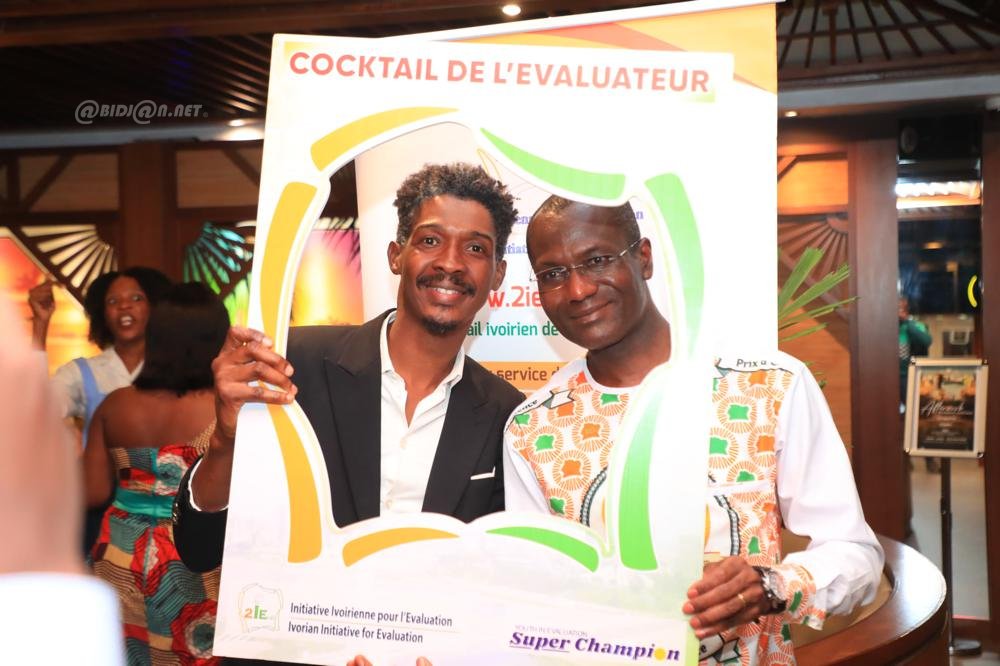
To mark International Youth Day, the Ivorian Evaluation Initiative (2IEval) hosted a vibrant “Evaluator’s Cocktail” in Abidjan, spotlighting youth engagement in public policy evaluation. The event gathered development partners, youth organizations, and institutions under the theme “Promoting and Valuing Youth Engagement in Evaluation.”
This celebration followed a milestone year for 2IEval, including its receipt of the prestigious “Youth in Evaluation Super Champion” award in May 2025 and the academic and professional achievements of several network members. The gathering featured a panel exploring youth leadership, citizen participation, and inclusive evaluation, with contributions from both francophone and anglophone youth.
UNICEF’s Deputy Representative, Mariana Stirbu, praised the initiative and emphasized the importance of youth involvement in governance. The event served as a platform for advocacy, dialogue, and commitment to a more participatory and youth-driven evaluation culture in Côte d’Ivoire.
Watch the event (with speakers in both English and French).
|
|
|
|
2IEval Sparks Dialogue on Youth, Peace, and Development
|
|
|
|
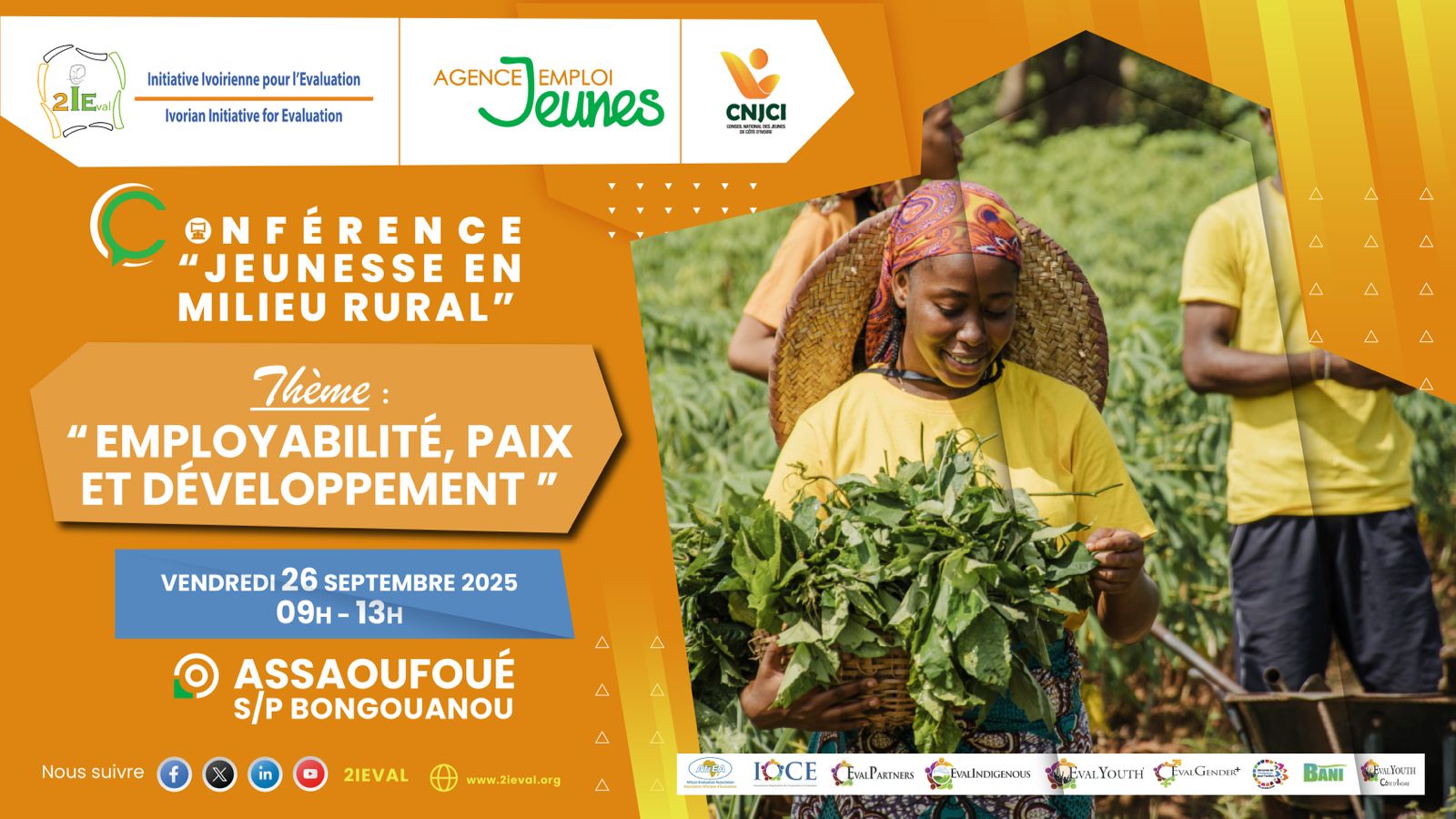
On 26 September 2025, the Ivorian Evaluation Initiative (2IEval), in collaboration with the Youth Bureau of Assaoufoué, hosted a conference at the Assaoufoué Cultural Centre under the theme “Employability, Peace, and Development.” The event featured a distinguished panel of experts from the Youth Employment Agency (AEJ), the National Youth Council of Côte d’Ivoire (CNJCI), and the Regional Directorate of Education and Literacy (DRENA) of Moronou.
The conference provided a platform for youth engagement, policy dialogue, and reflection on the role of evaluation in fostering inclusive development and social cohesion. It reinforced 2IEval’s commitment to empowering young people as key actors in shaping public policy and driving sustainable change.
|
|
|
|
RMEO Empowers Rwanda’s Youth to Lead the Future of Evaluation
|
|
|
|
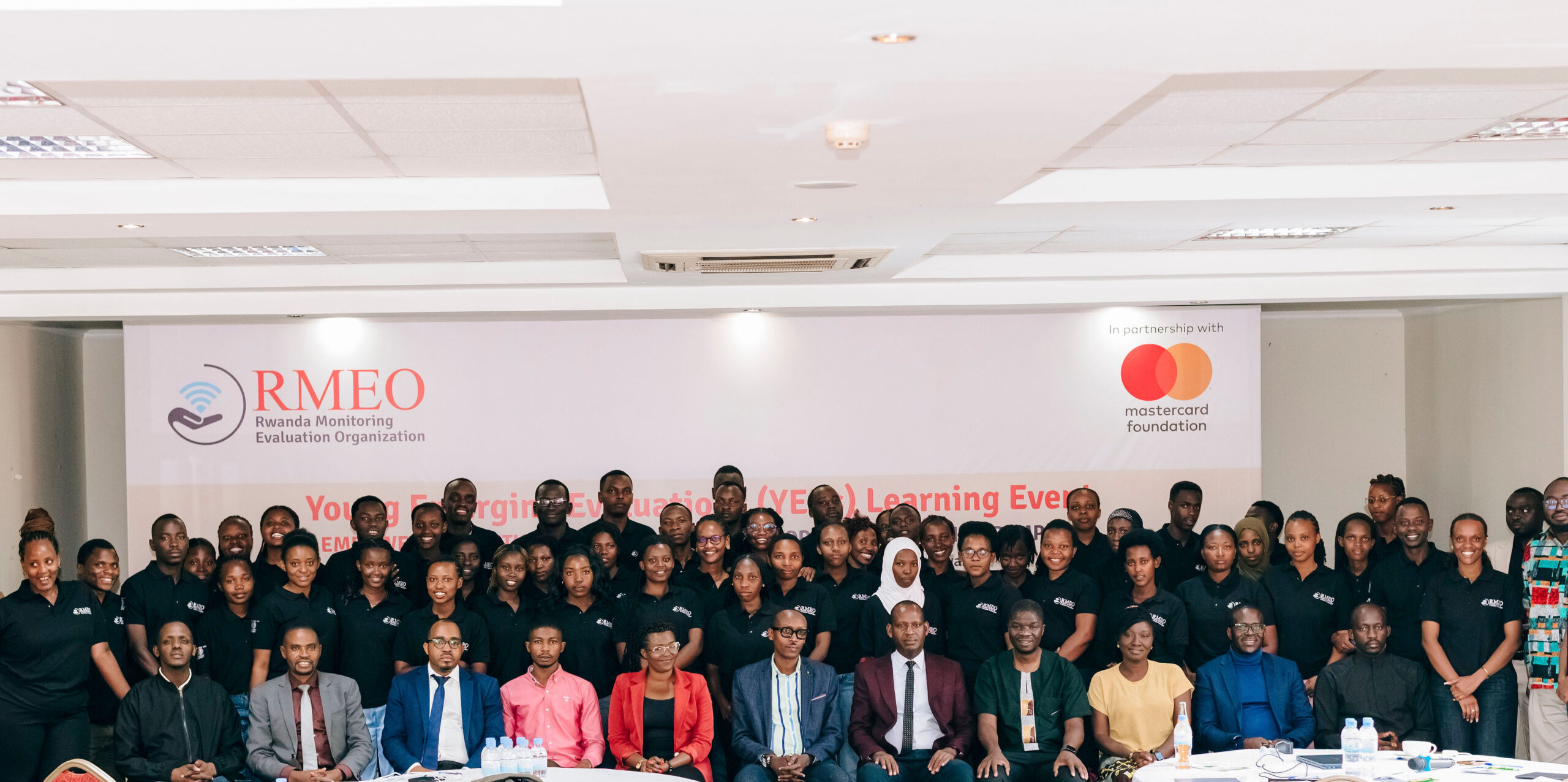
The Rwanda Monitoring and Evaluation Organization (RMEO) is charting a bold path toward becoming a nationally recognized professional body, with a mission to train youth-led experts in data collection, analysis, and AI-driven evaluation.
This vision builds on the success of its Young and Emerging Evaluators (YEEs) program, which, through partnership with the Mastercard Foundation, has equipped 193 youth with transformative skills since 2024.
At a storytelling event held on September 19, YEEs showcased how the program has fostered job creation, personal growth, and meaningful contributions to Rwanda’s National Strategy for Transformation (NST2). Stories from participants like Remadjj Jennifer and Ernestine Uwimbabazi illustrated how evaluation training has empowered youth to lead impactful initiatives and redefine their career trajectories.
With growing support from UNICEF Rwanda, AfrEA-YEEs, EvalYouth Global, and academic institutions, RMEO is preparing to launch the EvalYouth Rwanda Chapter and develop a new five-year strategic plan. As RMEO President Alex Mugabo affirmed, the organization is cultivating “champs” who will drive innovation, accountability, and inclusive development across Rwanda and beyond.
|
|
|
|
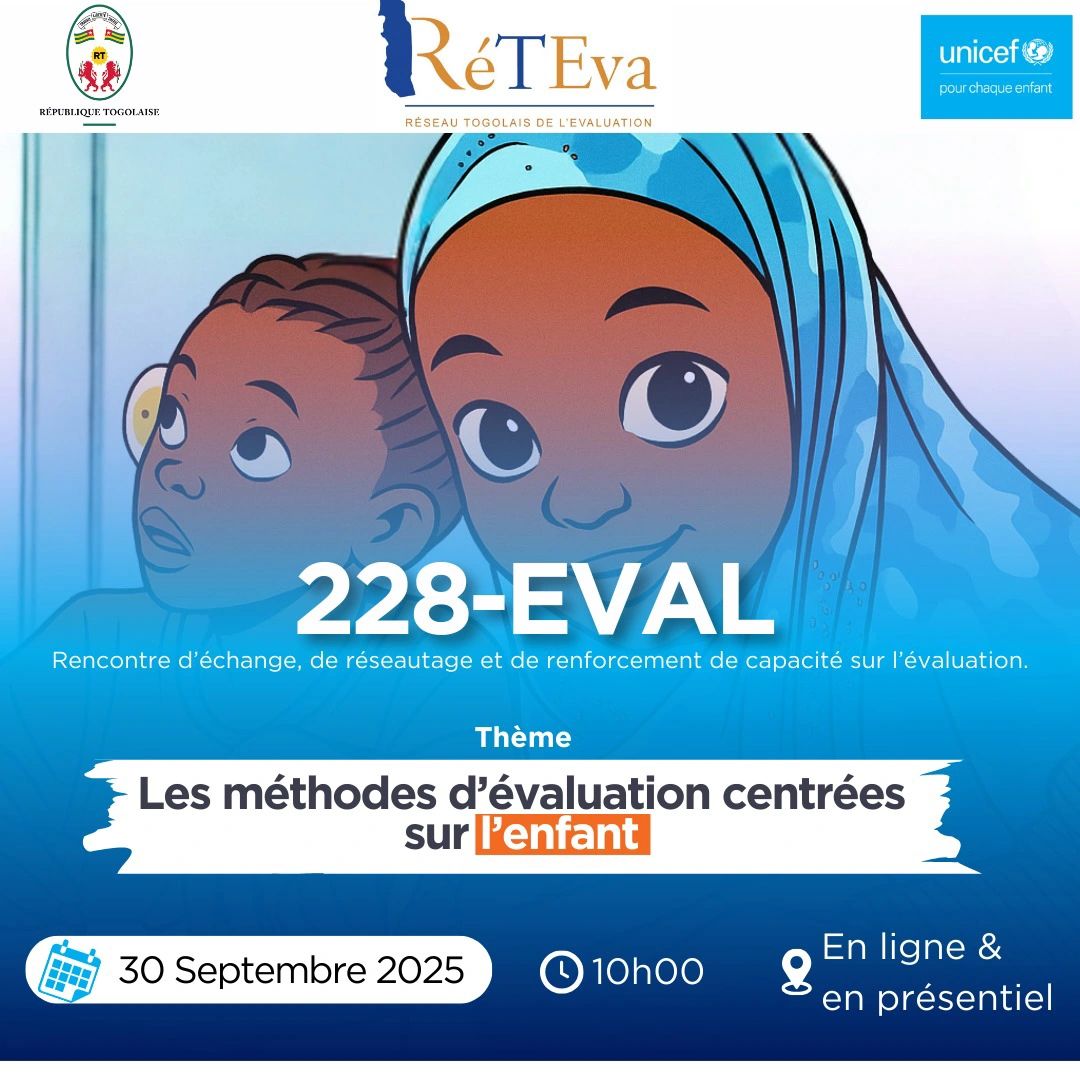
Togo: RéTEva Launches 228-EVAL with Focus on Child-Centered Evaluation
|
|
On 30 September 2025, the Togolese Evaluation Network (RéTEva), in collaboration with the Government of Togo and UNICEF, hosted the inaugural session of 228-EVAL, a new evaluation exchange, networking and capacity strengthening platform.
The event at the UNICEF Togo Office in Lome, marked a significant step in advancing national dialogue on the evaluation practice.
|
|
|
|
Centered on the theme “Child-Centered Evaluation Methods,” the session, brought together practitioners, policymakers, and development partners to explore approaches that prioritize children’s rights, voices, and wellbeing in evaluation processes. Participants engaged in rich discussions on how evaluation can better inform child-focused policies and programs, ensuring that evidence generation is inclusive and responsive to the needs of young populations.
RéTEva’s launch of 228-EVAL reflects a growing commitment to building a vibrant, locally rooted evaluation ecosystem in Togo. By fostering collaboration across sectors and promoting child-sensitive methodologies, the initiative aligns with AfrEA’s broader mission to strengthen African-led evaluation systems that drive equity, accountability, and transformative development.
|
|
|
|
|
|
|
|
|
|
|
|
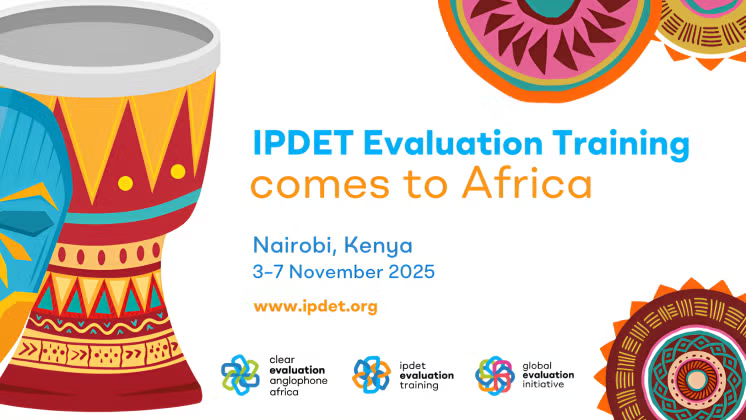
The International Program for Development Evaluation Training (IPDET), one of the flagship programs of the Global Evaluation Initiative (GEI) and a globally recognized initiative for building evaluation capacity, is coming to Africa for the first time. From November 3 to 7, Nairobi, Kenya will host this landmark event, bringing together evaluators and practitioners from across the continent and beyond.
The Nairobi training is a collaborative effort between IPDET, the Lifelong Learning Center at the University of Bern, and the Center for Learning on Evaluation and Results for Anglophone Africa (CLEAR-AA), a GEI implementing partner. This partnership reflects a shared commitment to strengthening evaluation systems worldwide while ensuring that African voices, contexts, and priorities are central to global evaluation conversations.
Know more about IPDET Nairobi
|
|
|
|
|
|
African School of Evaluation (ASE) 2025
|
|
|
|
A flagship initative of AfrEA, the African School of Evaluation (ASE) is designed to strengthen evaluation capacity across Africa. ASE aims to develop a new generation of skilled evaluators capable of conducting high-quality assessments that align with local needs and international standards. It primarily aims to strengthen and promote Made in Africa Evaluation.
ASE offers structured, hands-on courses led by expert trainers. The first edition will take place in November 2025 in Accra, Ghana, in collaboration with the Institute of African Studies of the University of Ghana. Each training session will focus on key themes in evaluation, ensuring practical and applicable learning experiences. For one week, various courses will be run concurrently in collaboration with different partners.
Know more about ASE 2025
|
|
|
|
Programme international de formation en évaluation du développement (PIFED) 2025
|
|
|
|
The International Training Program on Development Evaluation (PIFED), takes place in Marrakech, Morocco, from November 24 to December 5, 2025. The program is hosted by the École nationale d'administration publique (ENAP) and is designed for participants from across the globe to gain experience in development evaluation.
Application Deadline: November 21, 2025
Know more about PIFED (in French)
|
|
|
|
|
|
IPNET Nairobi/ASE 2025 Information Session
|
|
On 25 September 2025, AfrEA, in collaboration with the Global Evaluation Initiative (GEI), IPDET, and CLEAR-AA, hosted an information session to spotlight two transformative evaluation trainings taking place in Africa in November 2025: IPDET Nairobi (3–7 November) and the African School of Evaluation in Accra (24–28 November).
While distinct in format and focus, both trainings form a powerful continuum of capacity strengthening for evaluators across the continent, advancing technical skills, contextual relevance, and African leadership in evaluation.
AfrEA and its partners used the session to clarify the unique value of each initiative, encourage participation, and foster a shared understanding of how these opportunities contribute to building resilient, inclusive, and evidence-driven evaluation ecosystems in Africa. |
|
|
|
|
|
|
|
This edition of "AfrEA Insights" brings to you the most recent publications in the African Evaluation Journal (AEJ), an initiative of the African Evaluation Association.
|
|
|
|
|
|
|
|
|
|
|
|
September 2025 African Evaluation Association (AfrEA) 36 Kofi Annan Avenue, North Legon, Accra, Ghana |
|
|
|
|

.png)
_(1).png)
.png)
.jpg)
.jpg)

_(1).png)
_(1).png)
.png)
.png)
.jpg)
.png)
.png)
.png)